Where to Start - 8 Ways to Begin Decorating Your Home with Confidence
Knowing where to start is often the hardest part of any interior design project. Faced with endless inspiration online, paint charts, fabric books and opinions from all directions, it’s easy to feel overwhelmed before you’ve even begun. The key is not to do everything at once, but to start in the right place.
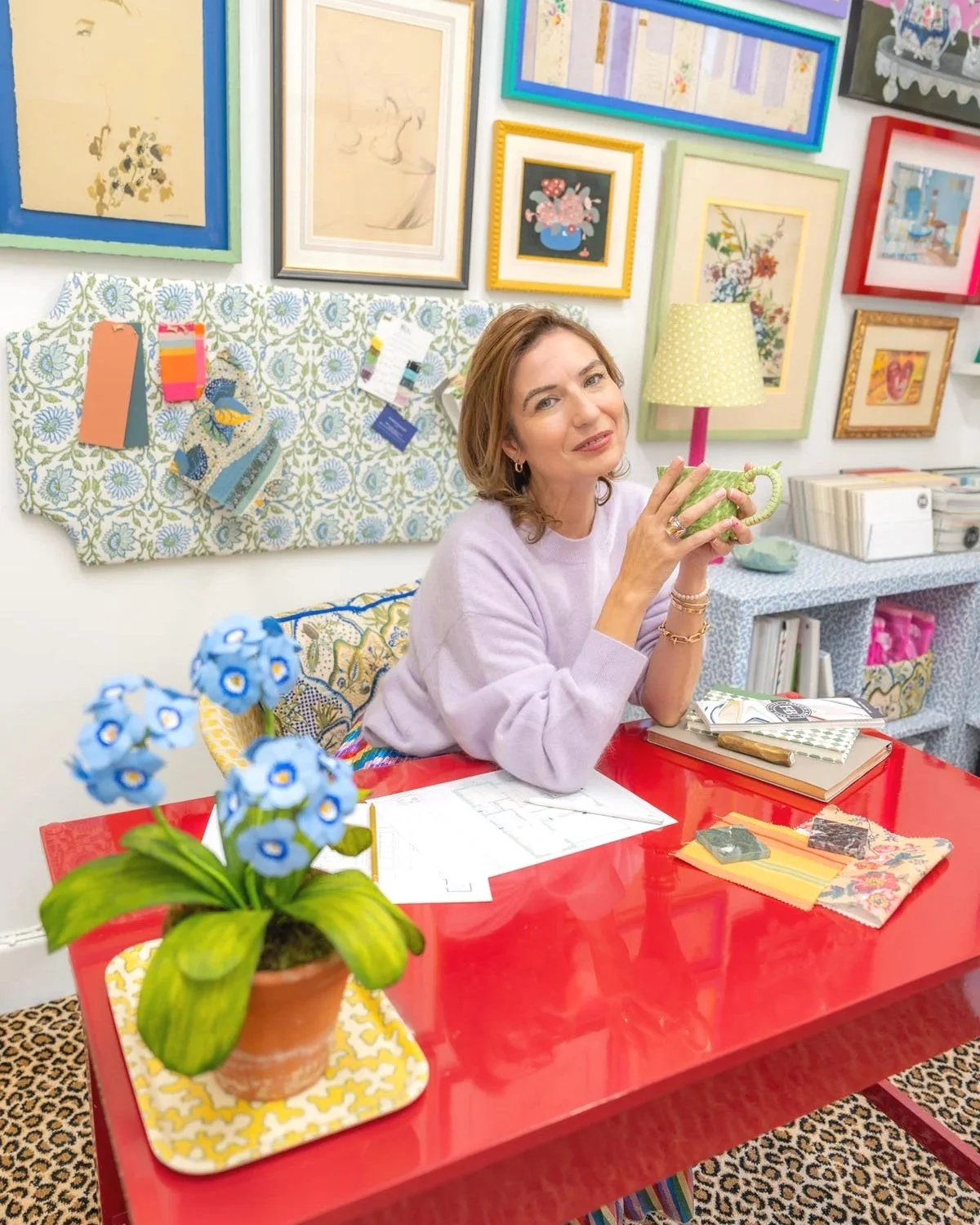
Here are eight considered ways to begin, setting a strong foundation for a home that feels coherent, comfortable and personal.
The first place to start is not with colour, but with how you want the space to feel. Before thinking about finishes or furniture, consider the mood you are trying to create. Calm and restful, warm and welcoming, elegant and layered, or light and informal. This emotional direction becomes the thread that runs through every decision that follows and helps prevent costly changes later on.
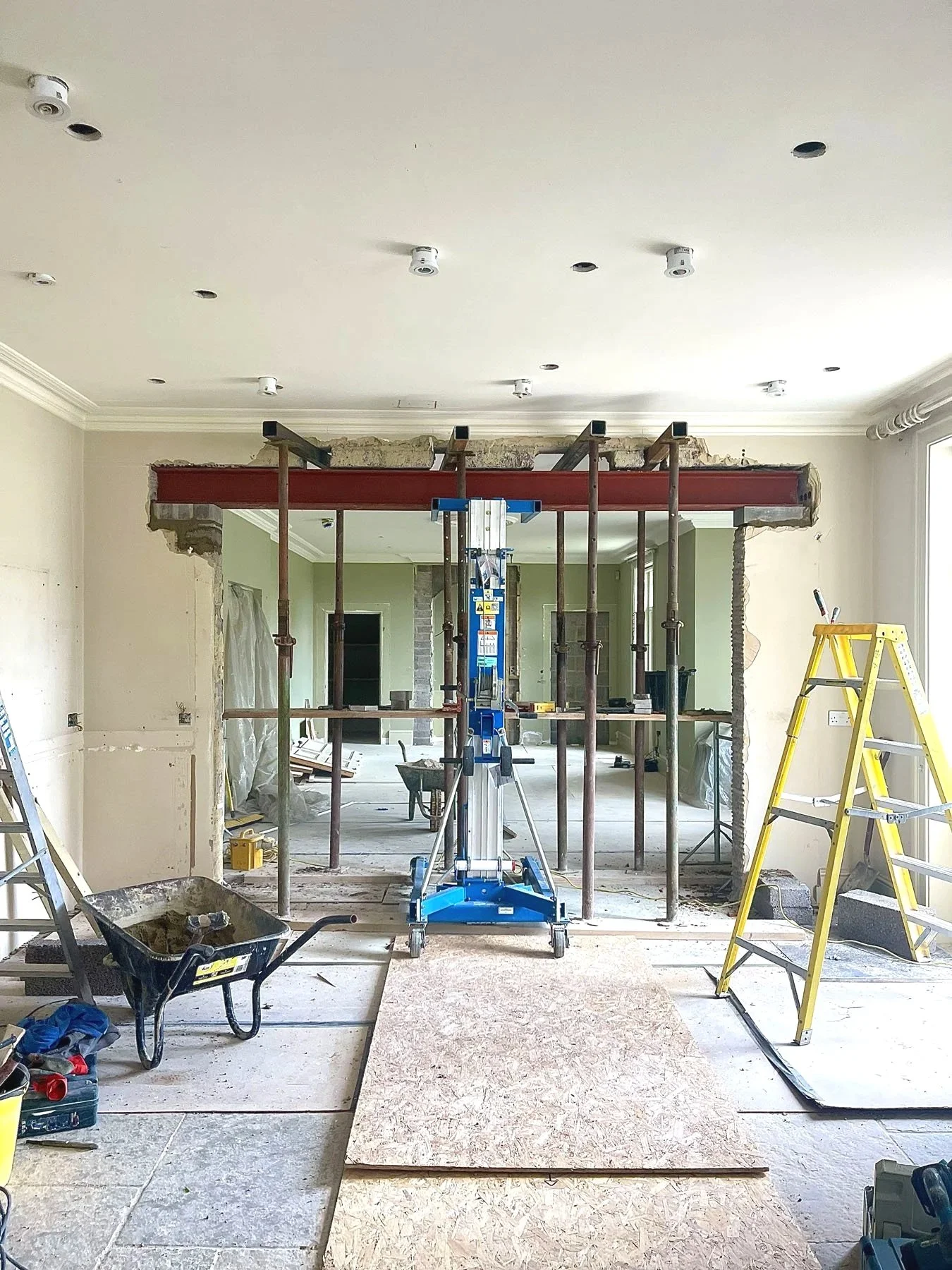
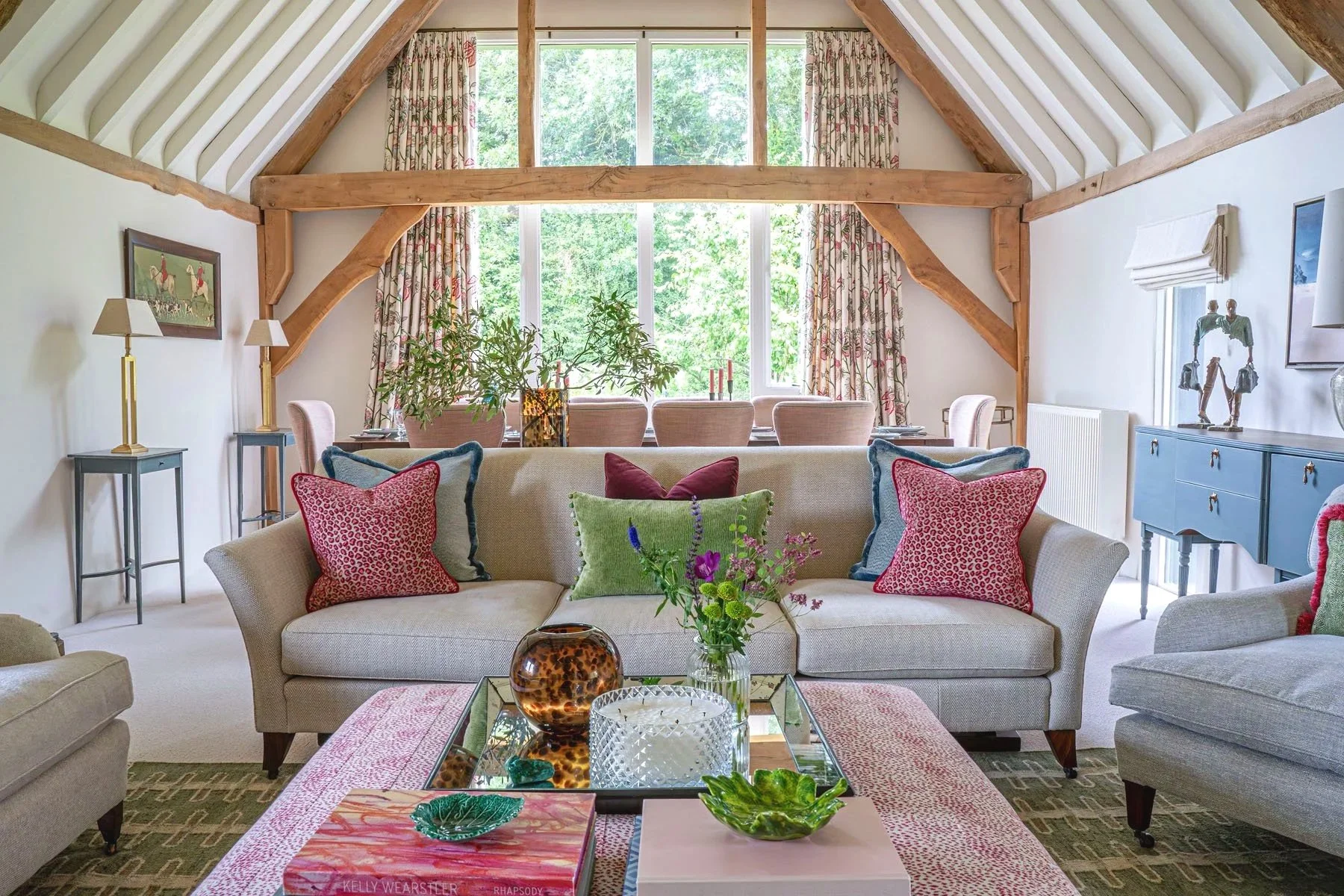
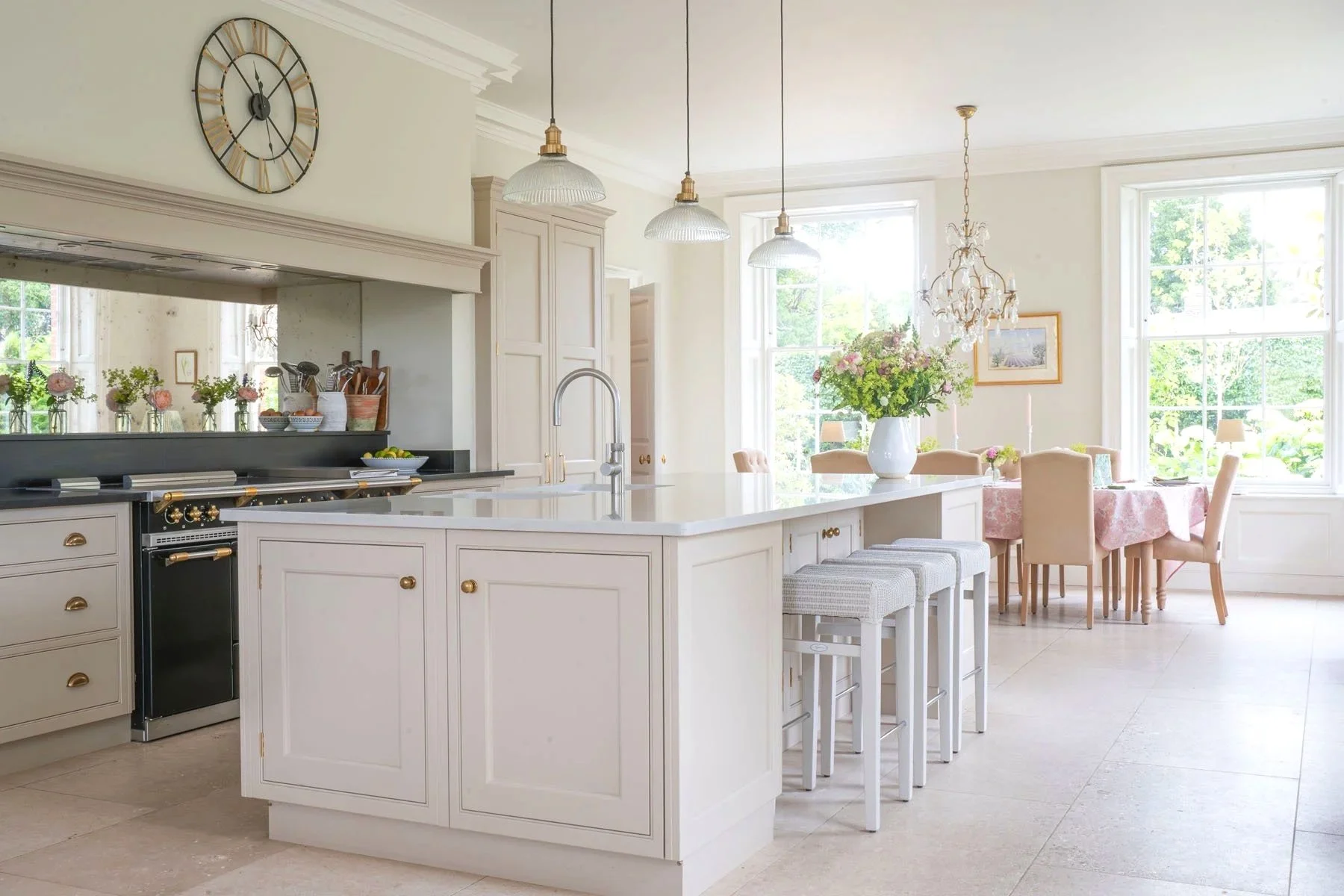
Next, look closely at the architecture of your home. Ceiling height, proportions, natural light and existing features should guide your choices rather than fight against them. A north-facing room may need warmth, a low ceiling may benefit from a singular colour, and original details deserve to be enhanced rather than overshadowed. Working with the bones of the building is always more successful than imposing a scheme onto it.
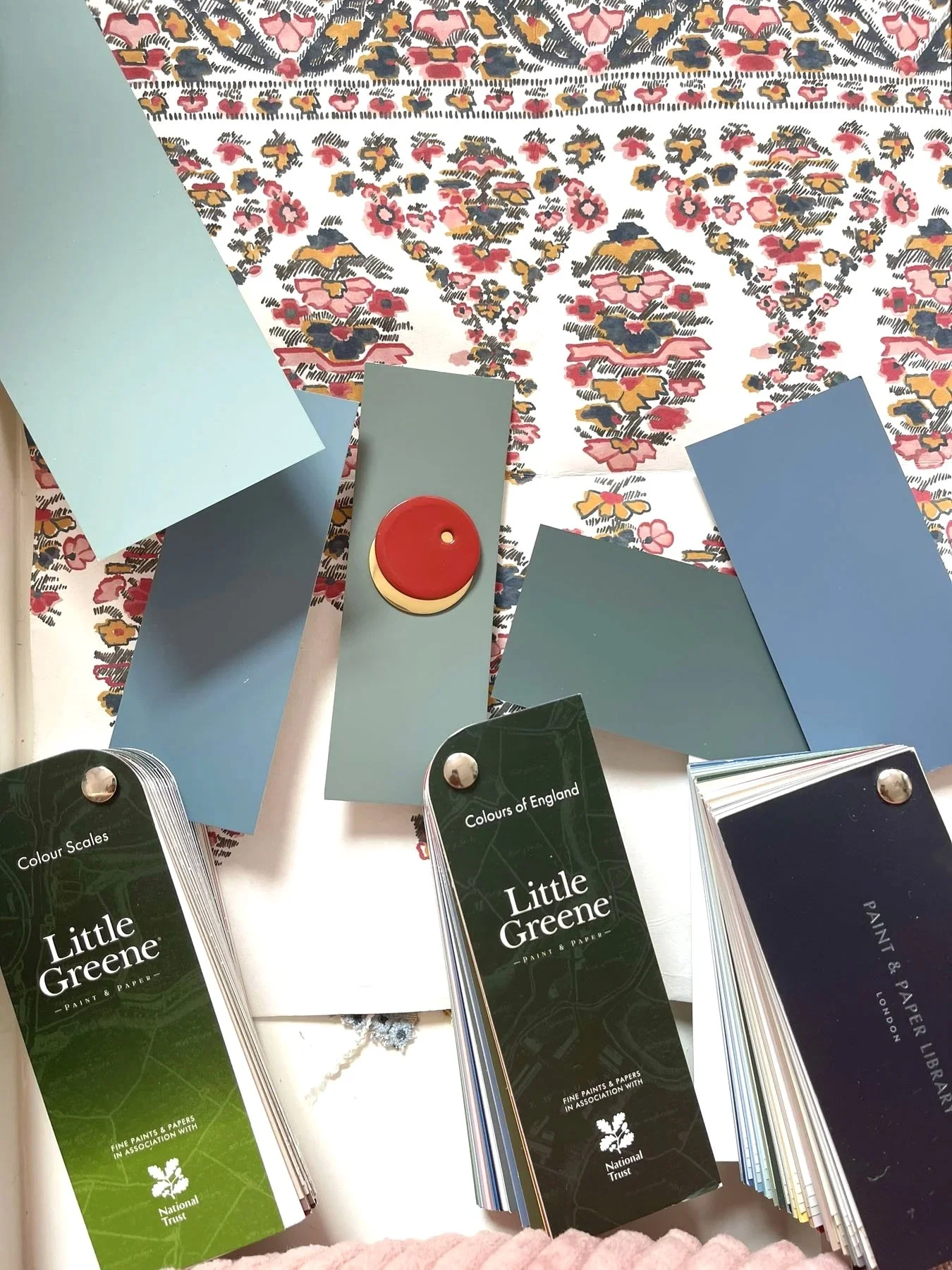
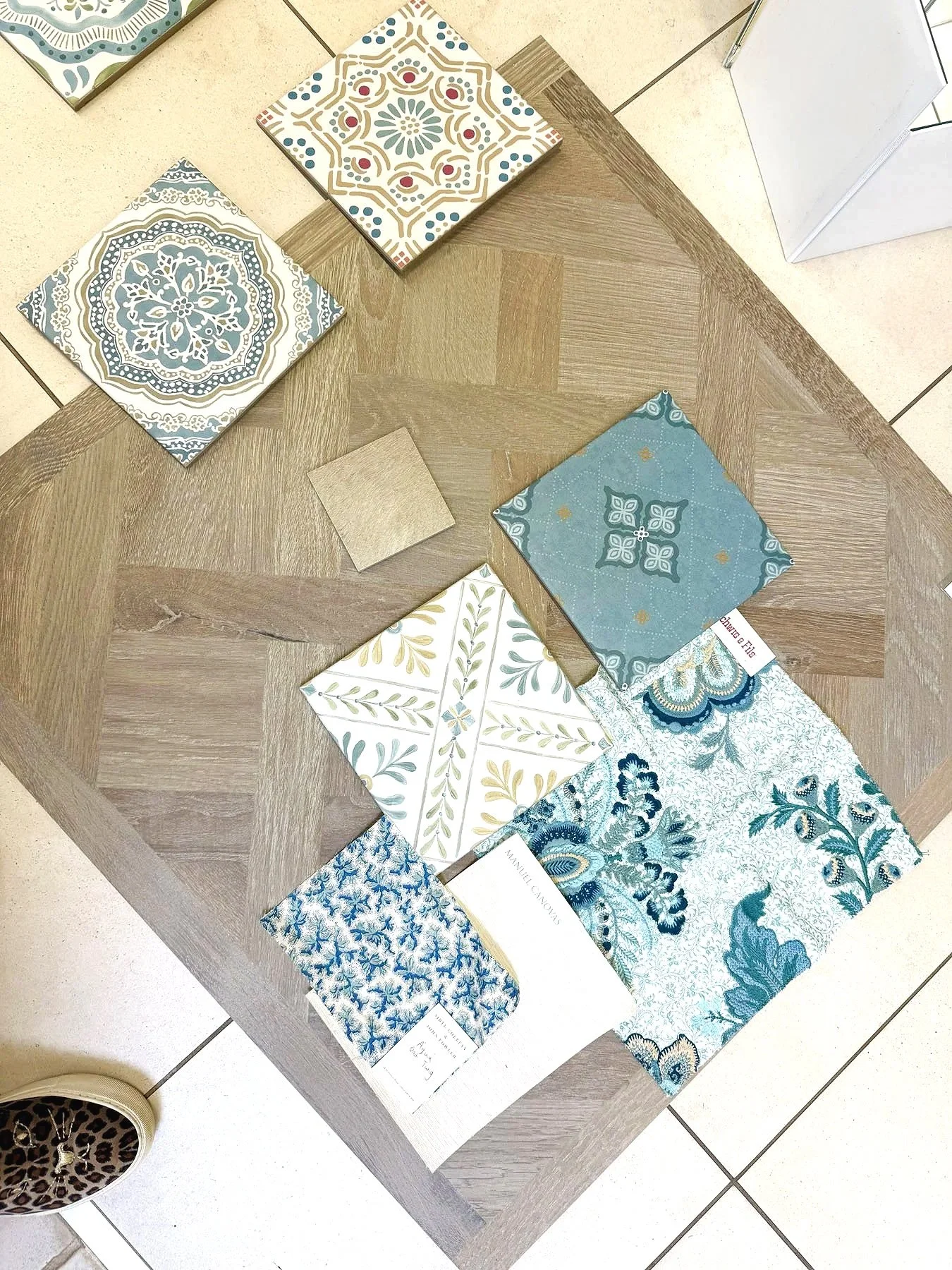
Once the mood and architecture are understood, colour can begin to take shape. Rather than selecting a single paint shade in isolation, think in terms of a palette. Consider how rooms connect to one another and how colours will flow through the house.
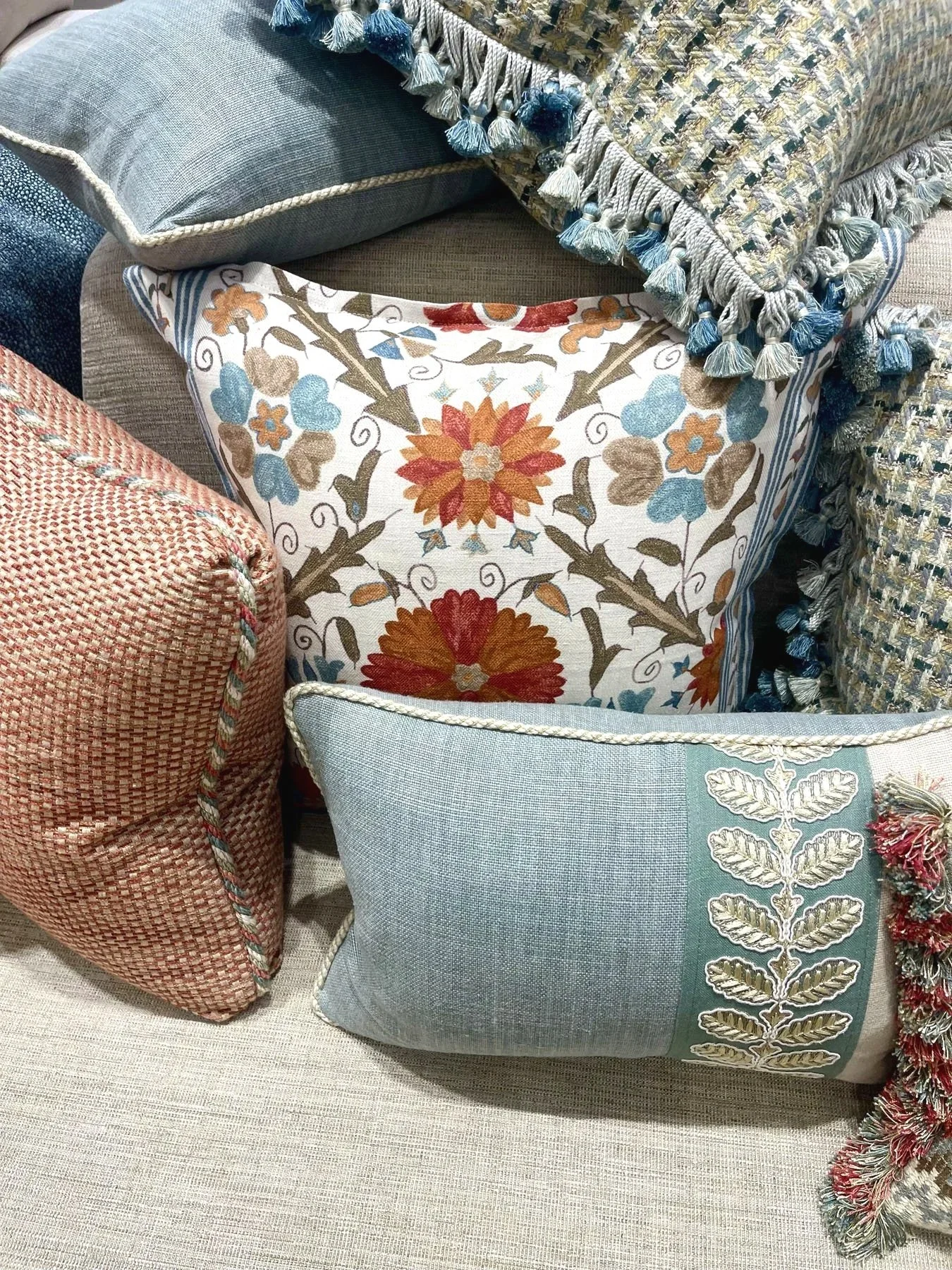
After colour, texture should come into focus. Texture is what gives a room depth and prevents it from feeling flat. This might come from natural flooring, layered textiles, specialist paint finishes or a mix of old and new furniture. Introducing texture early ensures the scheme feels rich and lived-in, rather than overly polished.
Furniture planning is another essential early step. Understanding scale, layout and function before decorating avoids common mistakes such as buying pieces that overwhelm a room or don’t suit how the space is actually used. Comfort matters just as much as appearance, and good design always considers how a room will be lived in day to day.
Lighting is often left too late, yet it has a profound effect on how a scheme works. Natural light changes throughout the day, and artificial lighting should be layered to suit different moods and uses. Thinking about lighting early allows finishes and colours to be chosen with confidence, knowing how they will behave once the sun goes down.
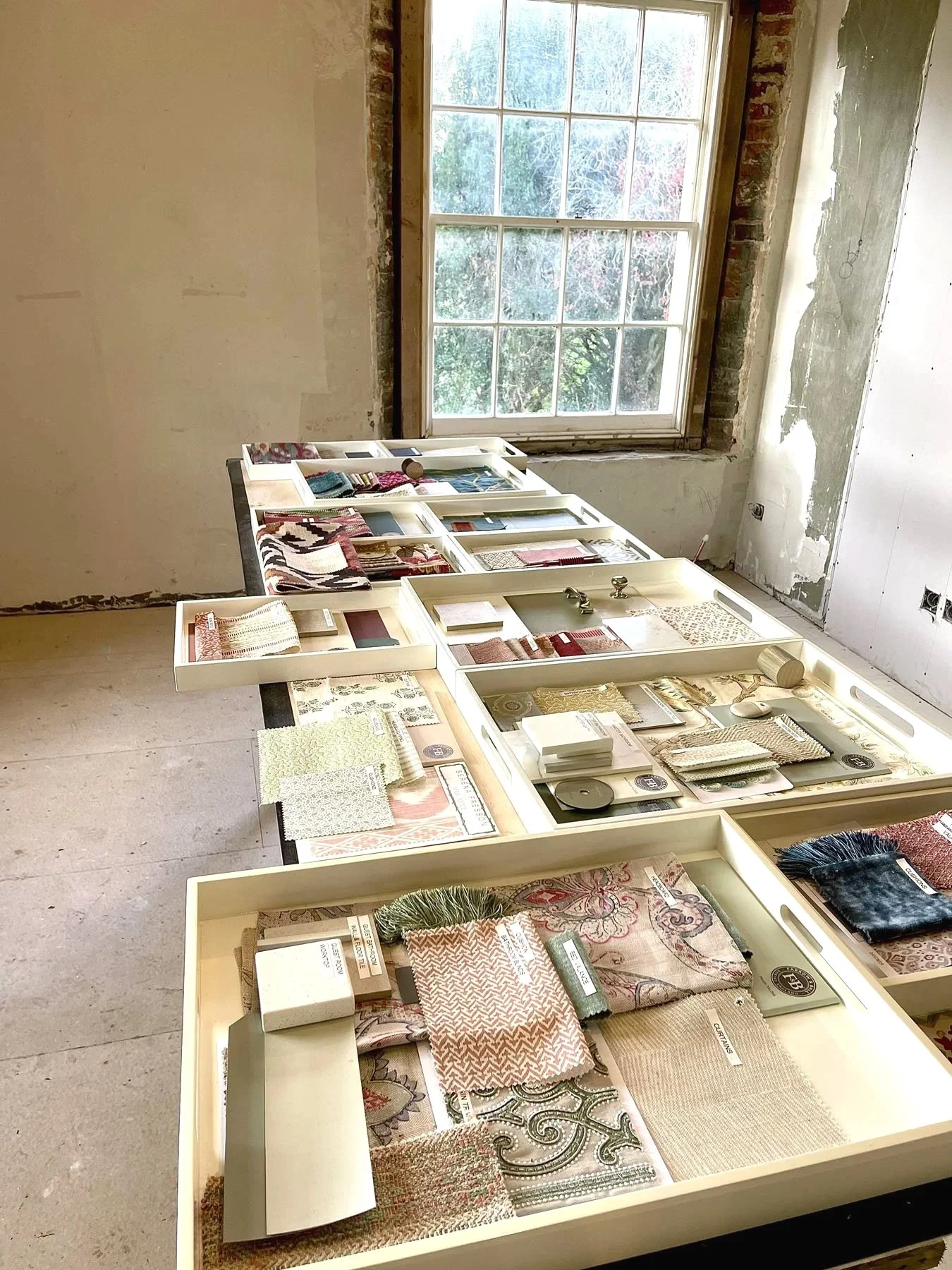
Fabrics and materials refine the scheme and curtains, rugs and upholstery often bring together colour, texture and pattern in a way paint alone cannot. Starting with one or two key textiles can help anchor the design and guide smaller decisions across the room.
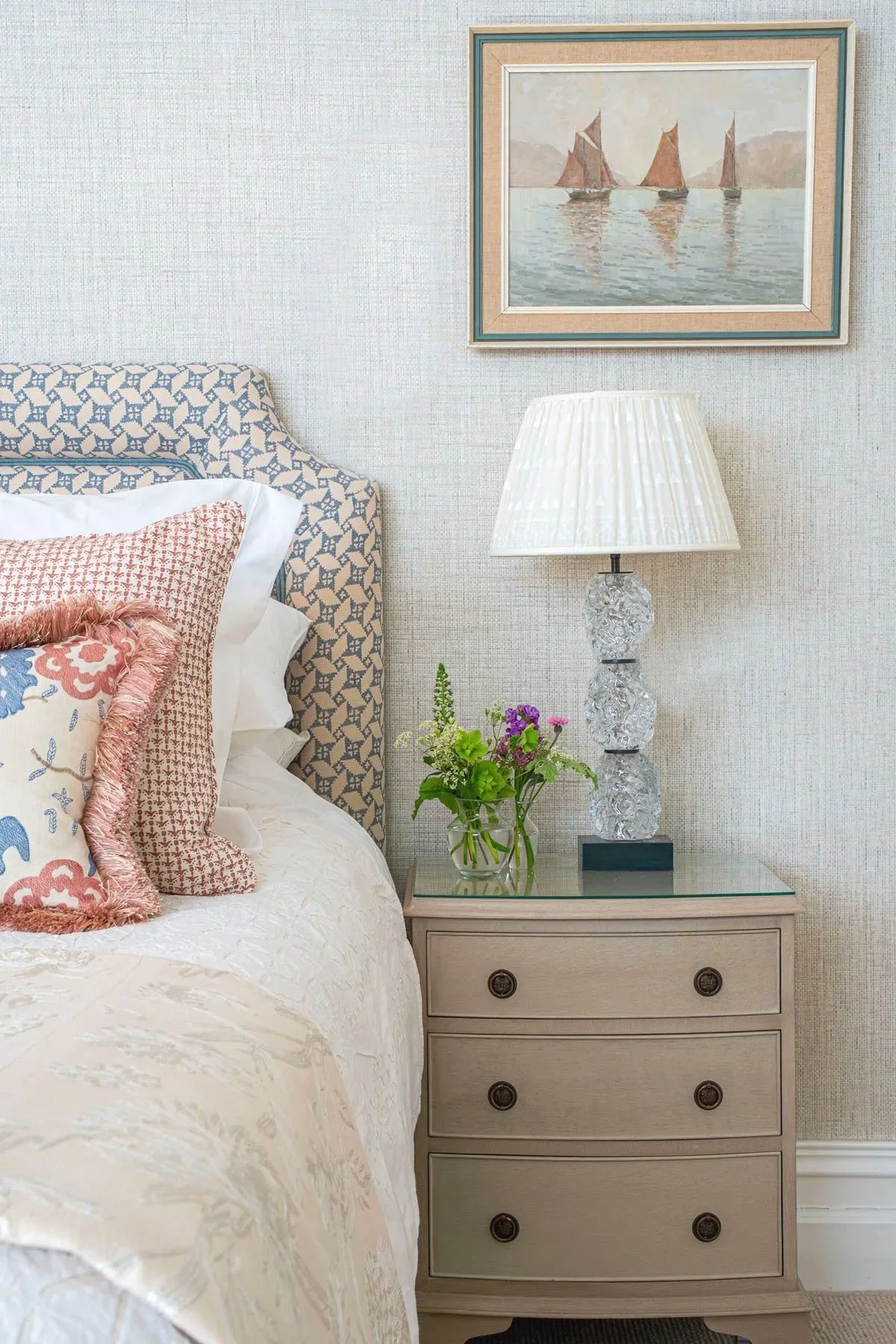
Finally, allow space for personality. A home should tell a story, not feel like a showroom. Art, antiques, inherited pieces and objects collected over time are what give a space its character. Leaving room for these elements from the outset ensures the finished interior feels authentic and personal, rather than overly styled.
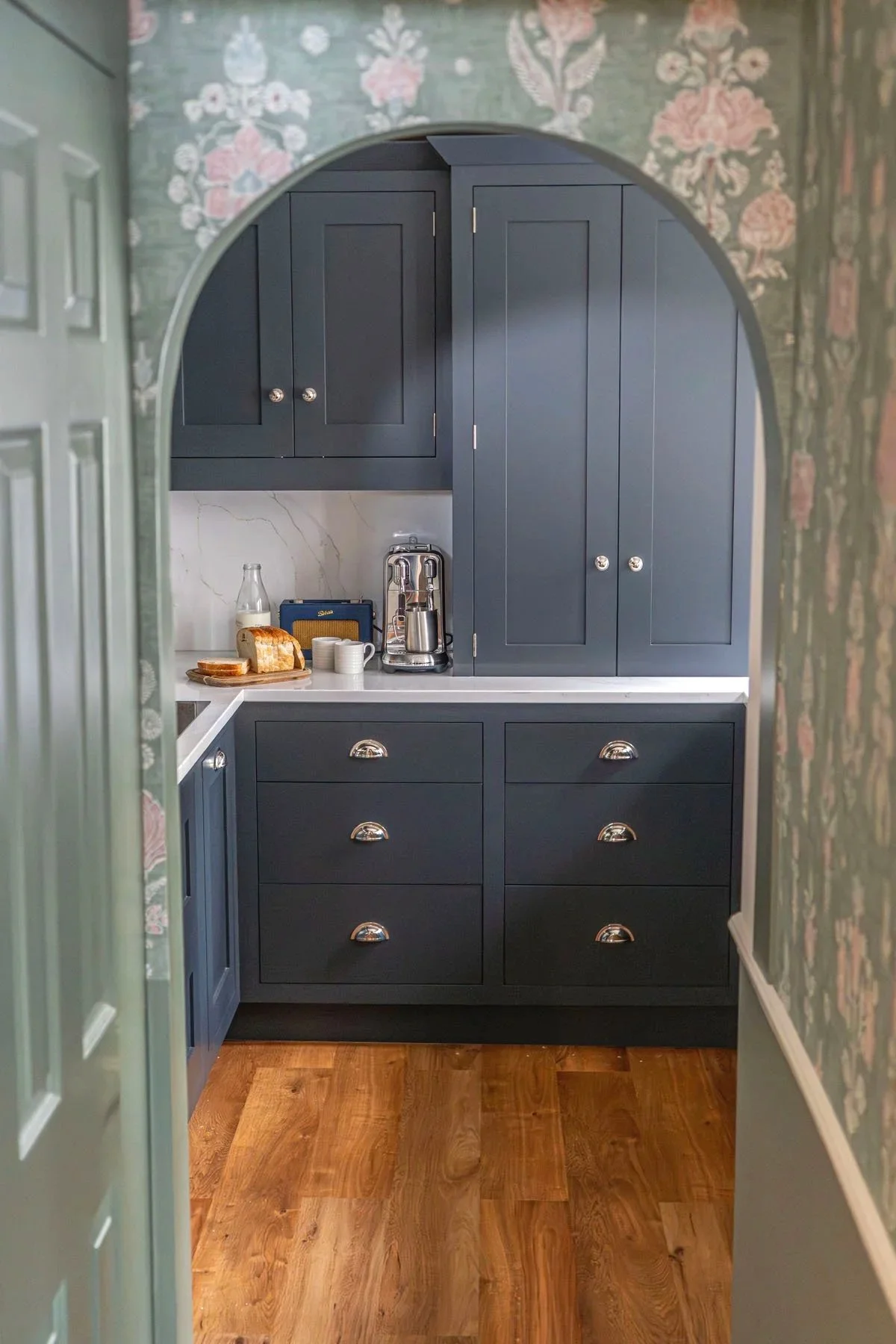
Starting well is about clarity, not speed. By approaching a project in thoughtful stages, the process becomes calmer, more enjoyable and far more successful. With the right foundations in place, decorating stops feeling daunting and starts to feel like the creative, rewarding journey it should be.
At Charlotte Stuart Interiors, this approach is exactly how we work. Whether guiding clients through a focused consultancy or managing a full interior design project, we take care of the process from the beginning, bringing together mood, architecture, colour, texture and detail into a cohesive whole. It’s a process we genuinely enjoy, and one that allows our clients to feel confident, supported and excited as their home takes shape.