Designing a home is an intensely personal process. When clients invite me into their spaces, they are not just asking for help choosing fabrics or finishes. They are placing trust in me, trust with their investment, their routines, their families and often their aspirations for how they want to live.
For me, designing with respect sits at the heart of everything we do at Charlotte Stuart Interiors. Respect begins with listening. Before I think about layouts or colour palettes, I want to understand how a home needs to function. Who uses it? How do mornings unfold? Where do people naturally gather? A beautiful room that does not support daily life is not a success. True design enhances the way you live; it does not complicate it.
Balancing style, budget and practicality is often where the tension lies. Clients understandably want a home that feels elevated and inspiring, but they are also conscious of investment. My role is to help them allocate that investment wisely.
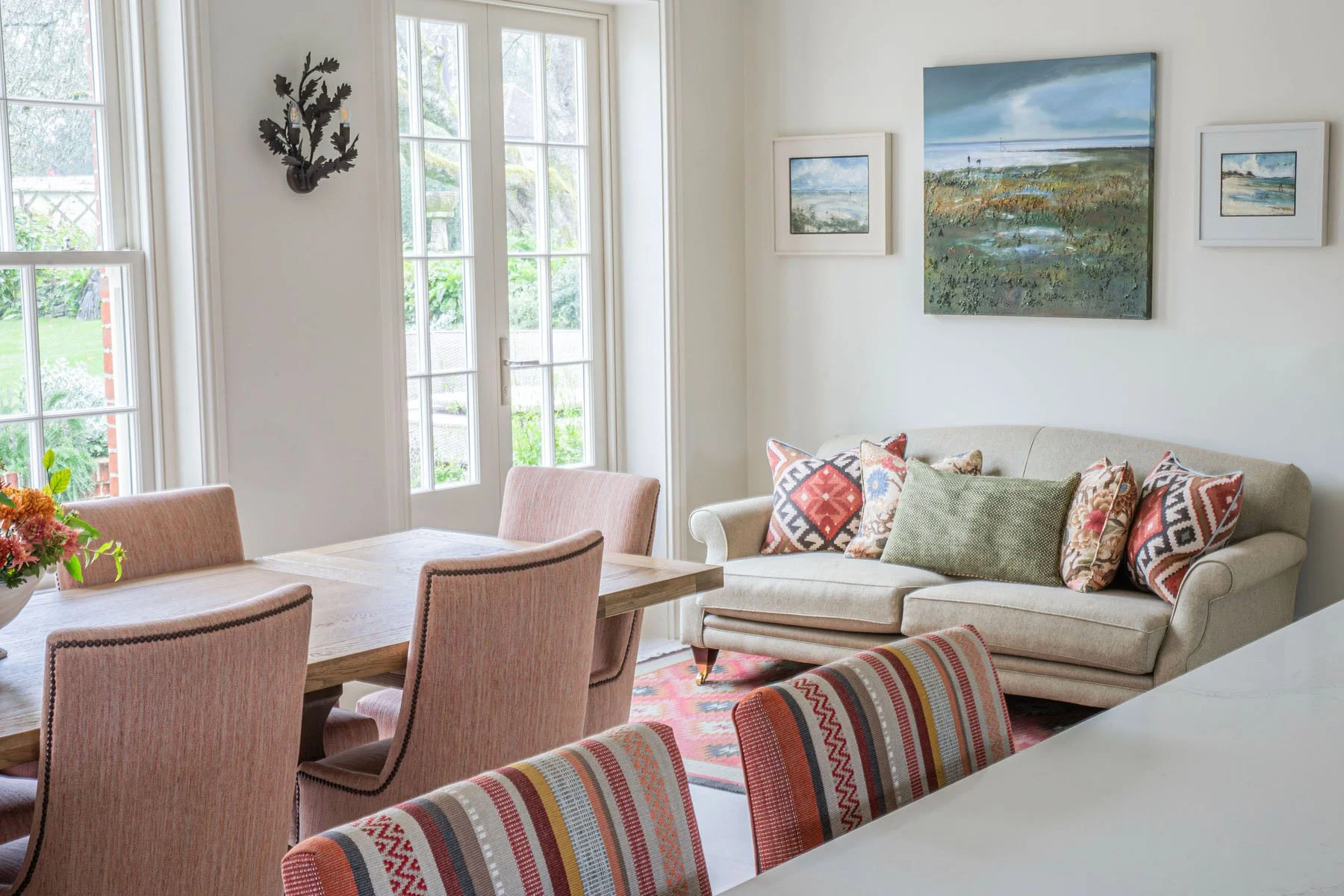
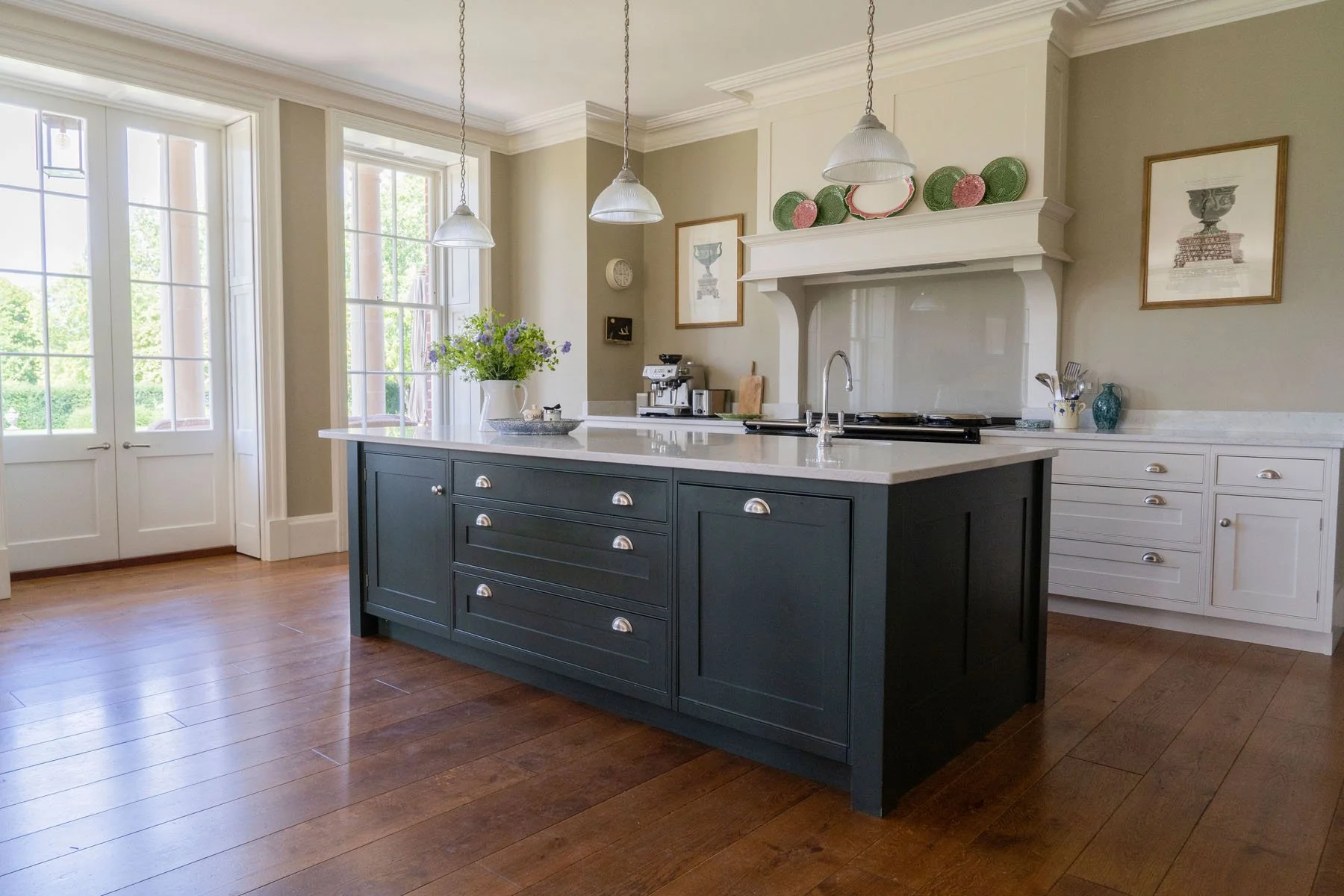
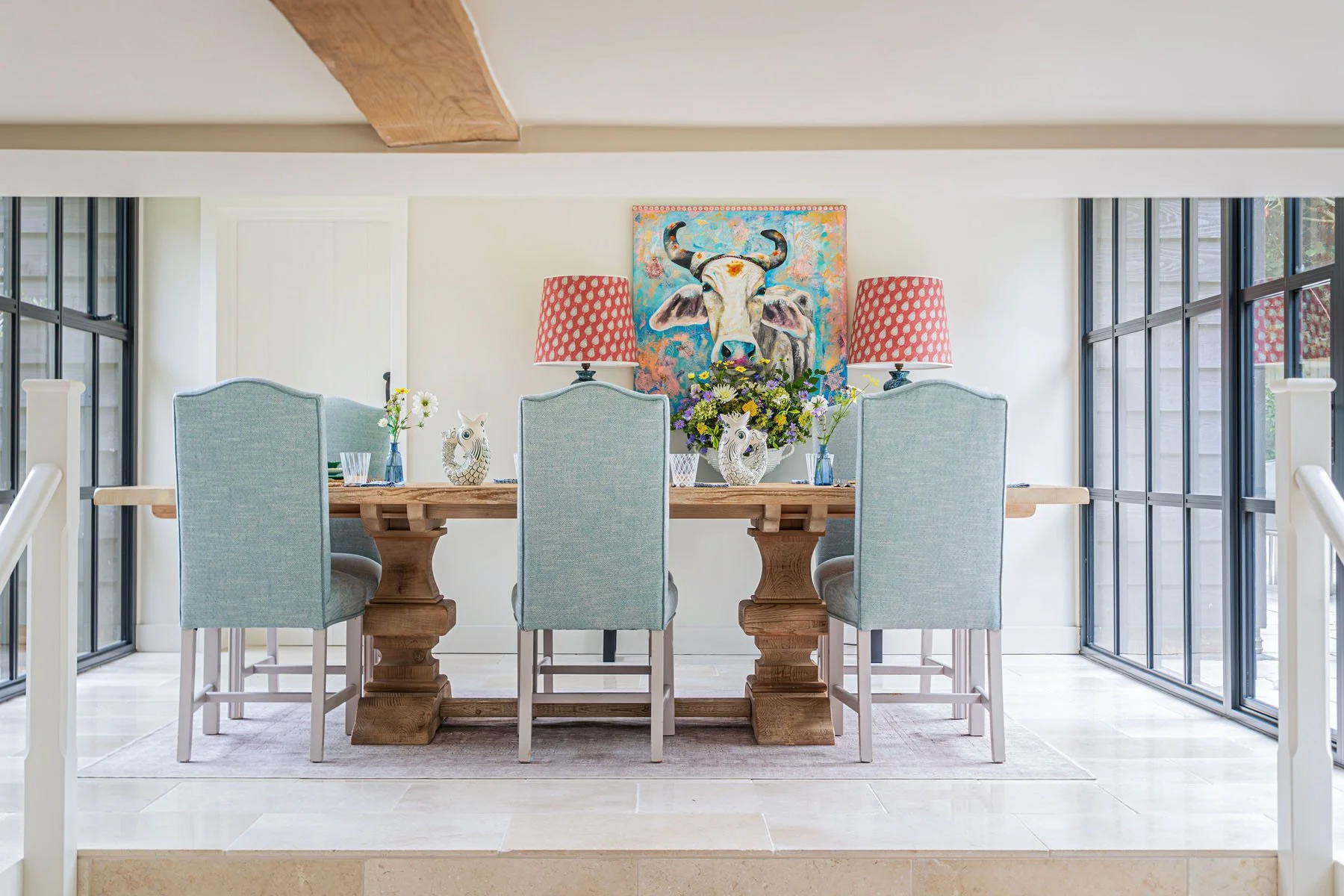
A hardworking kitchen with spill resistant fabrics
Not every element needs to be bespoke. Not every surface needs to be the most expensive option available. Sometimes the most respectful approach is to identify where quality truly matters - upholstery that will be heavily used, joinery that anchors a room, flooring that must endure years of traffic - and where we can be more flexible. A carefully chosen high-street piece can sit beautifully alongside an antique or a custom design if the proportions and materials are right.
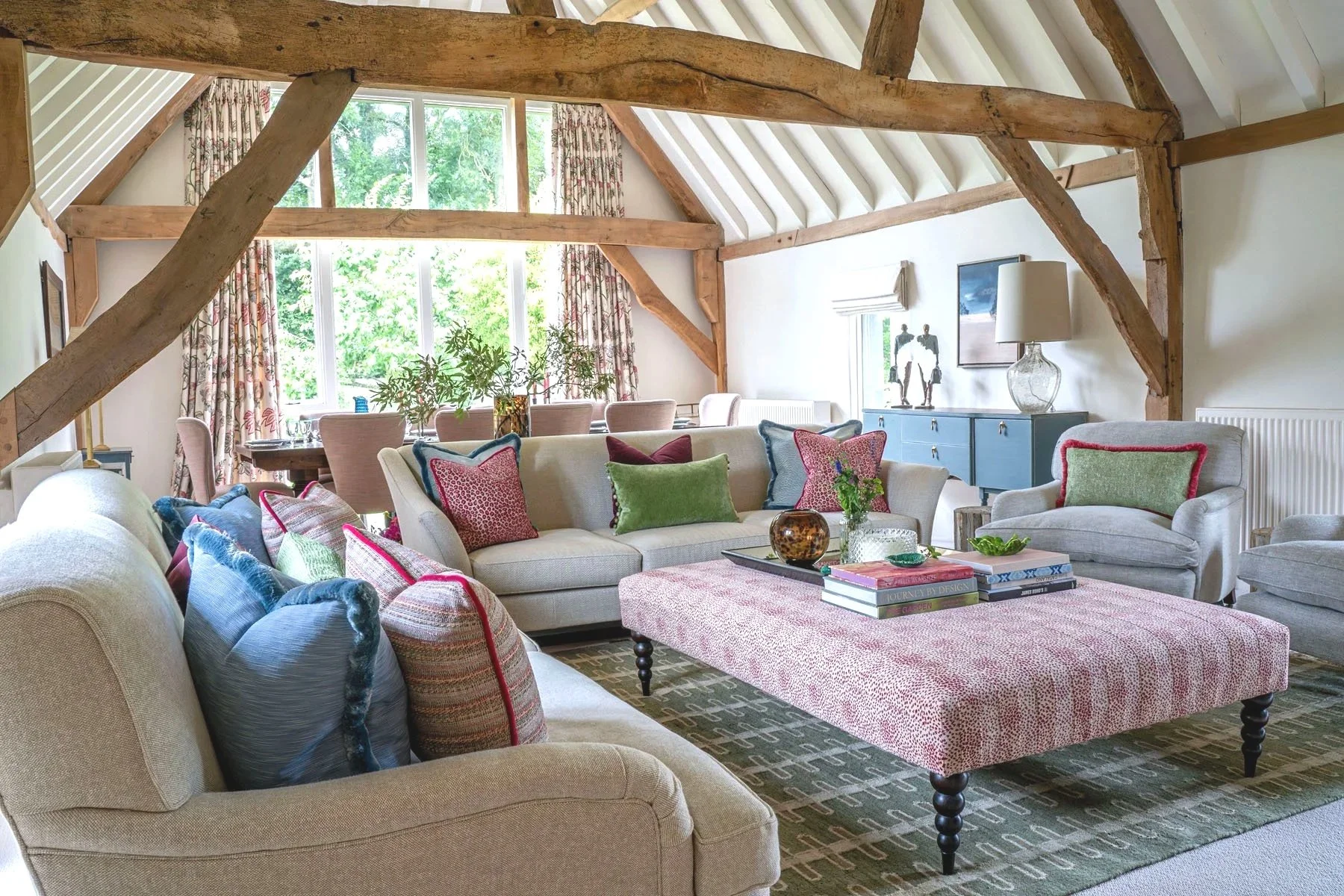
Practicality is never an afterthought in my process. I have worked with enough families to know that pale fabrics in high-traffic areas need careful consideration. That kitchens must cope with real cooking, not just entertaining. That storage, although not always glamorous, is often what makes a home feel calm.
Respect also means being honest. If a client falls in love with a fabric that will not wear well in their setting, I will say so. If a layout looks striking on paper but will frustrate daily movement, we rework it. My responsibility is not to impose a look but to guide decisions so they stand the test of time.
There is a misconception that good design is about constant novelty. I see it differently. Designing with respect means creating spaces that age gracefully. It means choosing materials that develop character, colours that feel considered rather than trendy, and layouts that will still make sense in five or ten years.
Budget conversations are part of that respect. Transparency avoids disappointment later. When we are clear about financial parameters from the outset, creativity thrives within them. Constraints often lead to the most thoughtful solutions. They force us to prioritise what truly matters in a scheme.
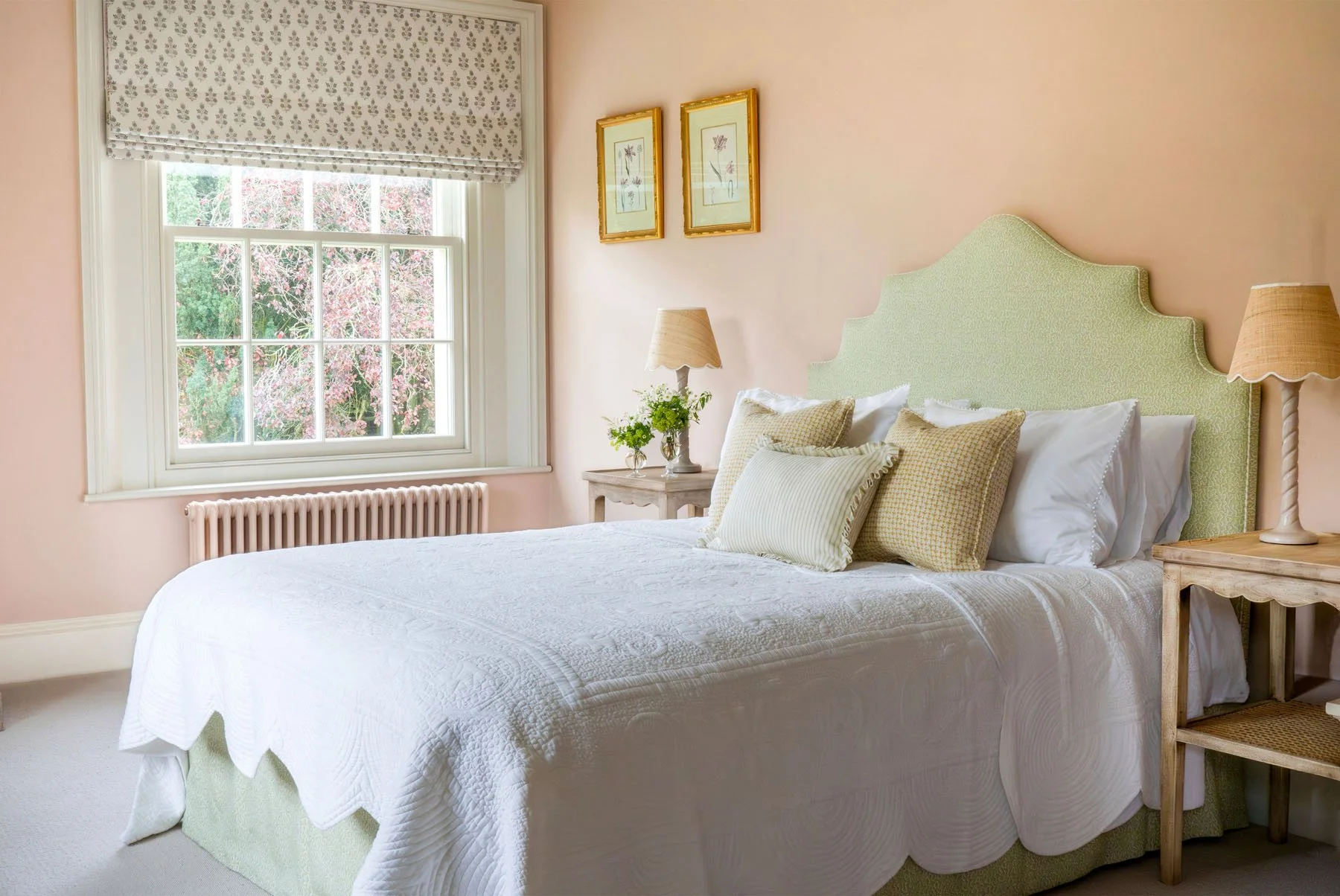
Ultimately, our aim is always the same: to create a home that feels considered, comfortable and entirely suited to the way you live. A space that reflects your personality, supports your routines and represents a thoughtful, lasting investment.
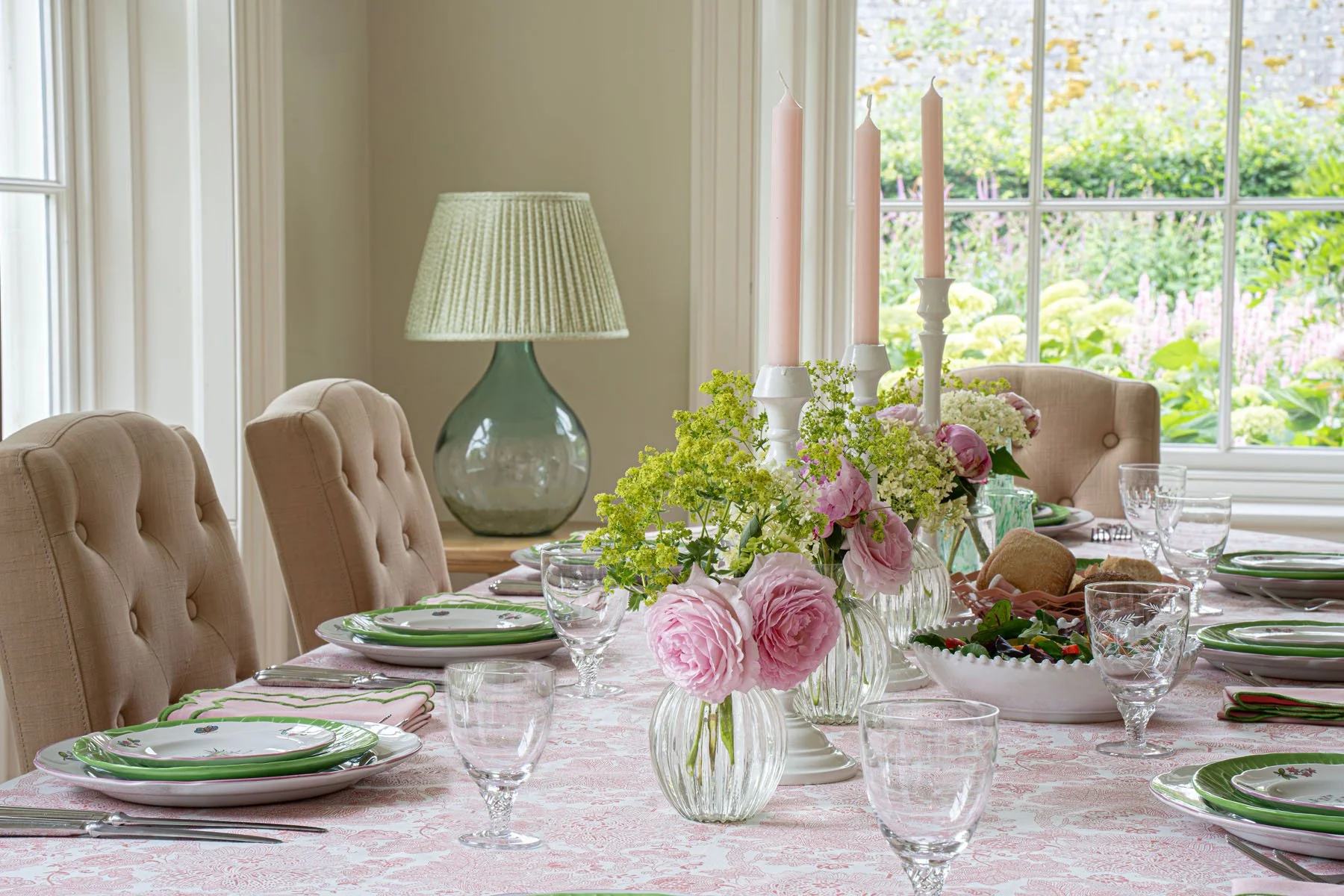
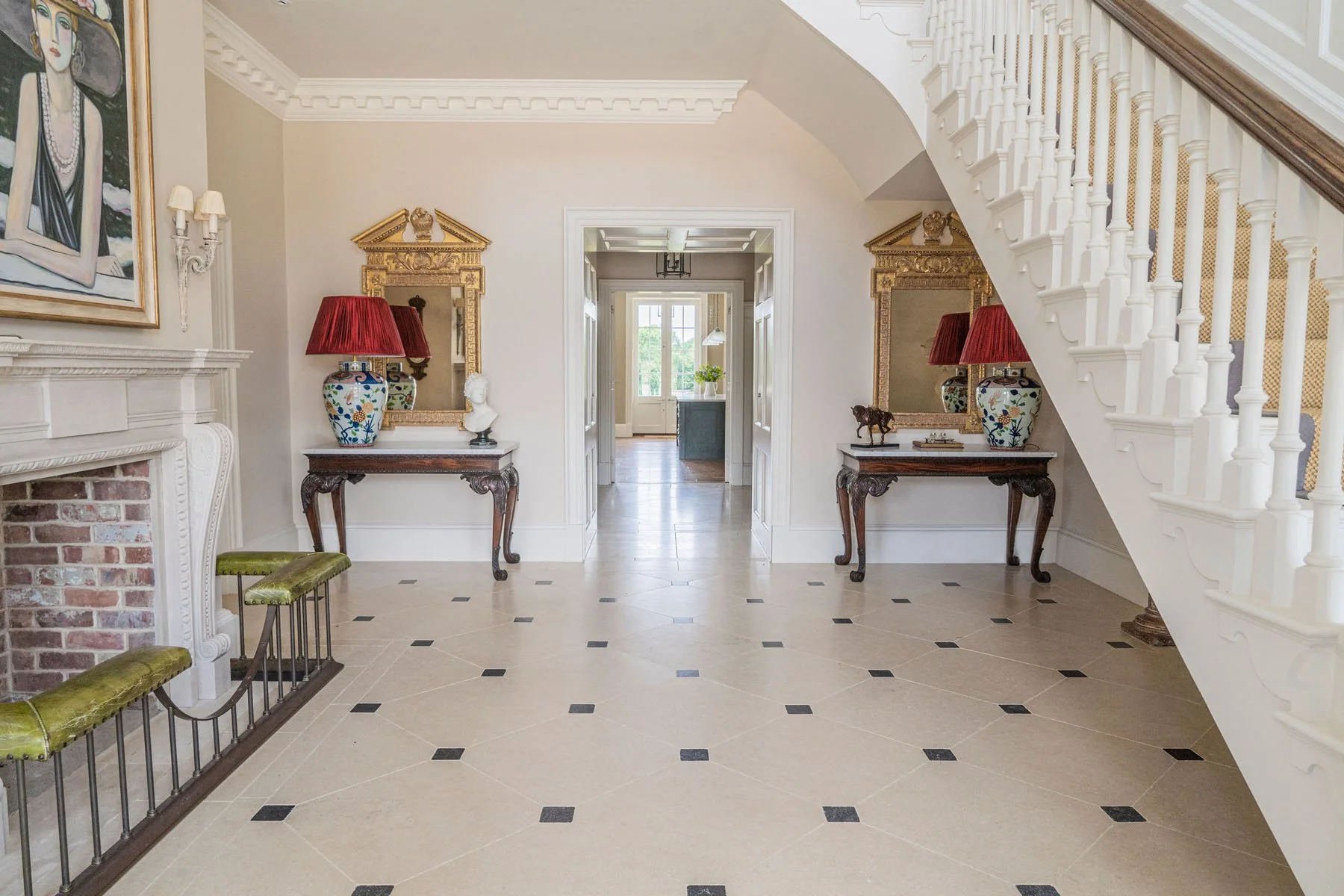
Designing with this level of care and clarity is not always straightforward to achieve alone. It requires an understanding of how to balance competing priorities, and how to make decisions that will hold their value over time.