How to Find Your Interior Design Style in the Age of AI and Social Media
Never before have we had so much access to beautiful interiors. With Pinterest, Instagram and now AI-generated imagery, inspiration is constant and immediate. We can scroll endlessly through perfectly styled rooms, save ideas in seconds and visualise spaces before they even exist. And yet, for all this inspiration, many people feel less certain about their own style than ever before. The more we see, the harder it can become to distinguish between what we genuinely like and what we have simply been shown repeatedly.
As an interior designer, I often meet clients who arrive with carefully saved images of rooms they admire. The challenge isn’t usually a lack of inspiration. It’s understanding what it is about those spaces that they like. A room can never simply be recreated. Light, architecture, proportion and atmosphere are always different, and what works beautifully in one home may feel entirely wrong in another. The real task is to understand why it appeals and how that emotion can be translated into a space that feels natural and personal.
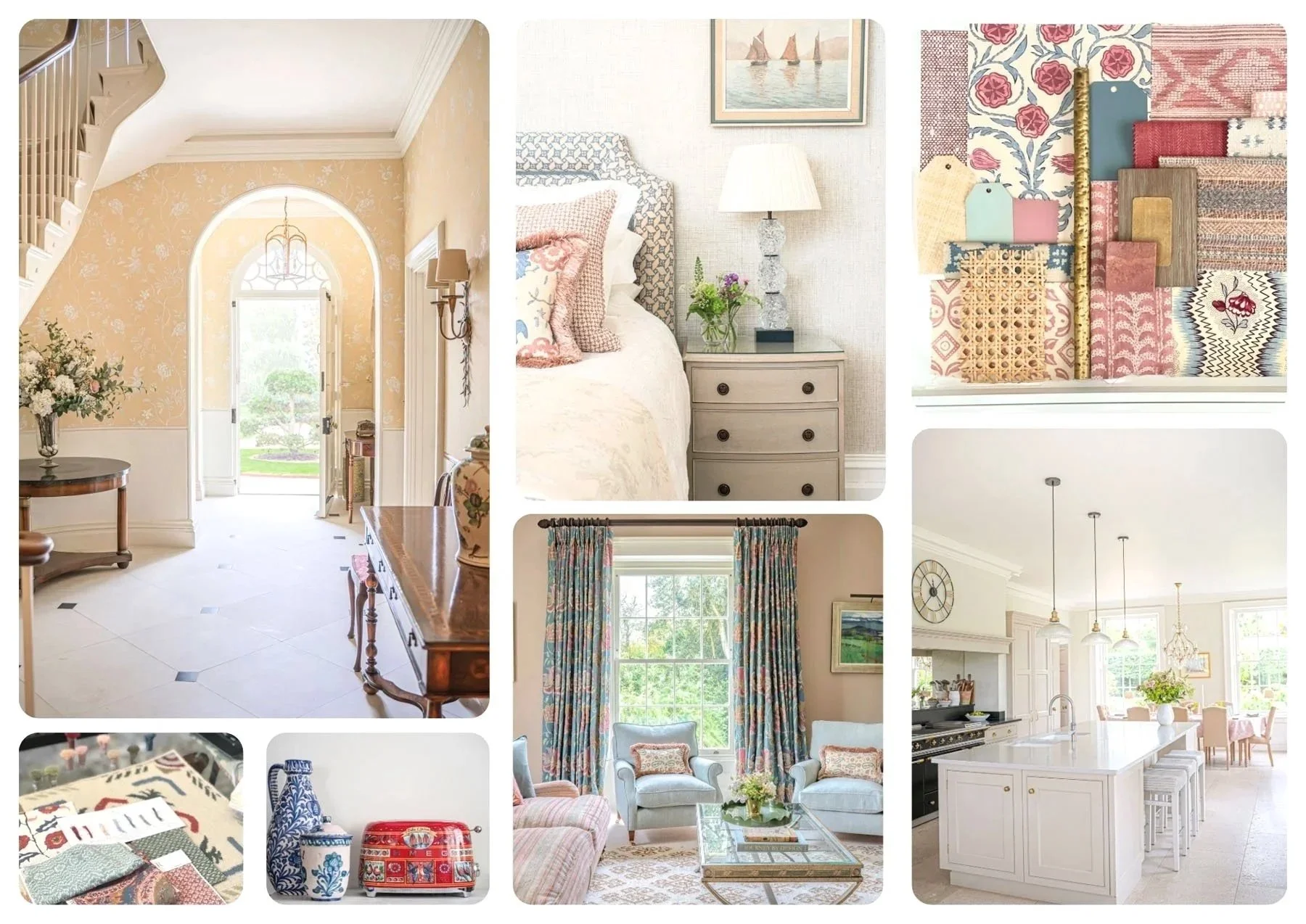
Above is an example Inspiration board created on Pinterest
Algorithms learn what we like and continue to feed us variations of the same thing. A particular object, colour or arrangement suddenly appears everywhere, and it can begin to feel as though this is simply what good design looks like. In reality, we are often seeing repetition rather than originality. When every image begins to look familiar, it becomes increasingly difficult to recognise our own instincts within the noise.
The introduction of AI and highly realistic renderings has added another layer to this conversation. Technology now allows us to see a finished room before it has been built, complete with light changes and shadow throughout the day. While this can be a useful tool, it also raises an interesting question: what happens to the experience of discovering a space as it evolves? Part of the joy of design has always been the process itself, watching materials come together, seeing how a room feels once inhabited, and allowing for moments of surprise. When everything is resolved in advance on a screen, there is a risk that expectation replaces experience.
This is often where the role of an interior designer becomes most valuable. The job is not to recreate a popular aesthetic. Experience allows a designer to recognise what will work within a particular home, how light will affect colour, and when an idea needs adapting.
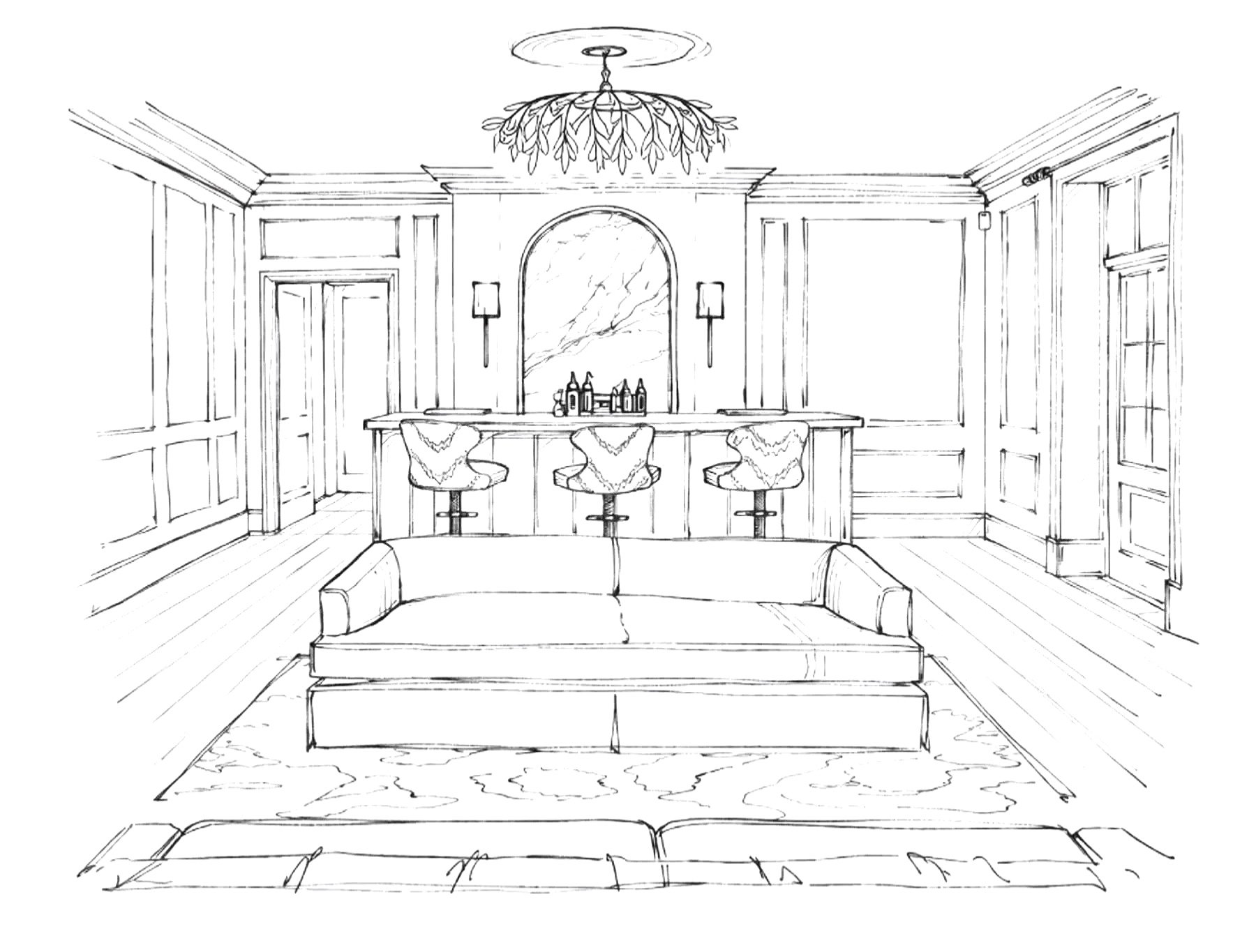
Inspiration, AI and imagery can all inform a project, but they can’t replace judgement or intuition. Design is as much about knowing what not to do as it is about knowing what to include.
Perhaps the more important question is how we reconnect with our own sense of style in the first place. Often, the answer lies closer to home than we realise. The colours we naturally gravitate towards in our clothing, the environments we have felt most comfortable in, the houses or places that have stayed with us over time, these are often more reliable guides than any trend forecast. While it can be tempting to be different for the sake of it, a home ultimately needs to feel right for the person living in it.

Inspiration will always have its place, and new technology will continue to shape how we design and visualise our homes. But true style isn’t found in algorithms or renderings. The most successful interiors come from the confidence to create a home that feels unmistakably your own.