Why a Consultation Might Be Exactly What Your Home Needs
For many homeowners, the idea of working with an interior designer is appealing, but a full interior design service may not feel right for a particular client or project. There are often simply too many choices, and a fear of getting it wrong can stop people from starting at all. This is where an interior consultancy service really comes into its own. It offers a focused, highly effective way to move a project forward with clarity and confidence, without committing to a full design service.
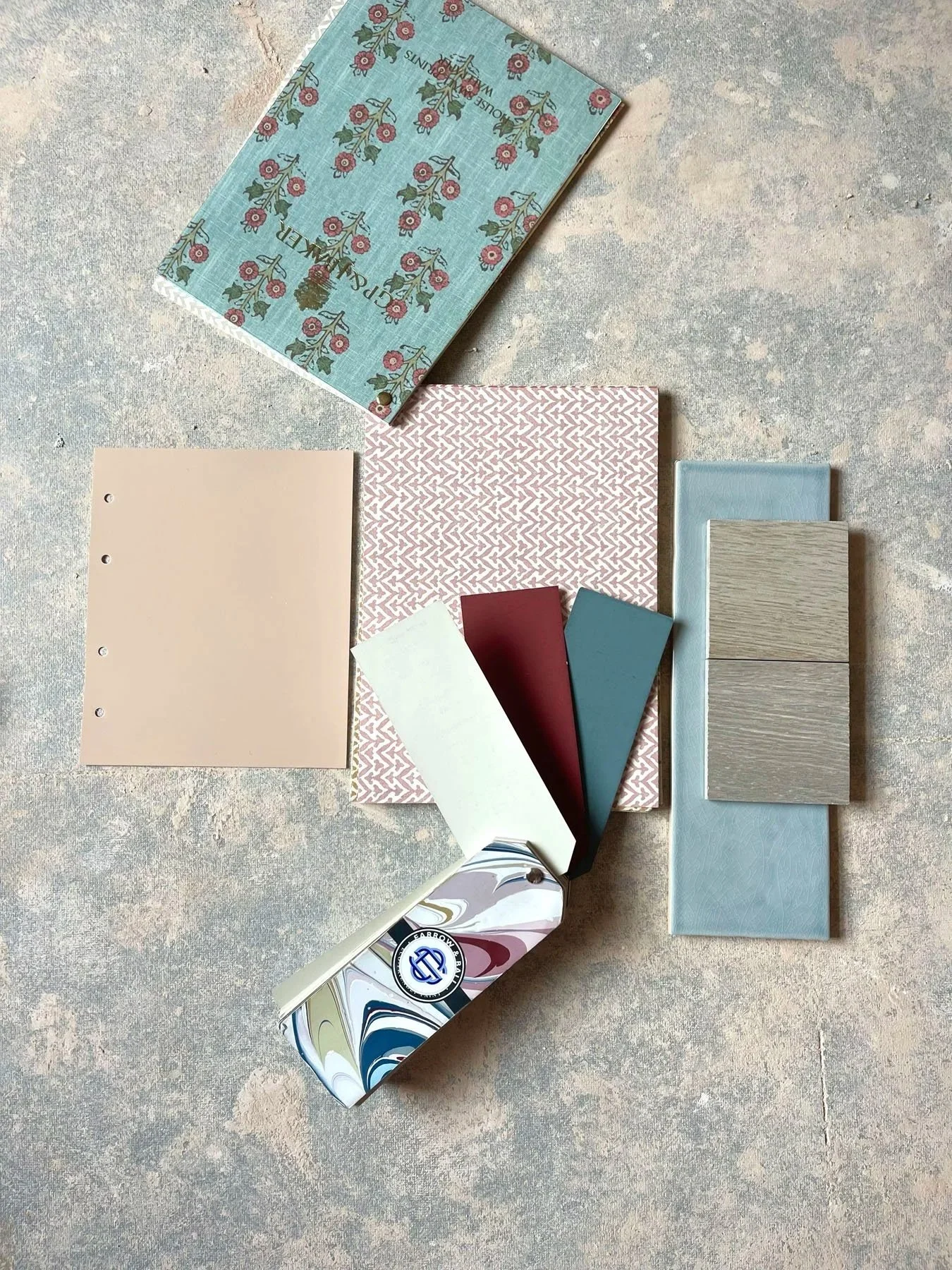
Colour and pattern are often the hardest elements of decorating to get right. Understanding undertones, how colours behave in different lights, and how patterns sit together can feel overwhelming, particularly when you like lots of different things but are unsure how to pull them into a coherent whole. What looks beautiful online or on a sample card can feel completely wrong once applied to your own home. A consultancy is designed to remove that uncertainty, helping you understand where to start and how to make decisions that work together rather than compete.
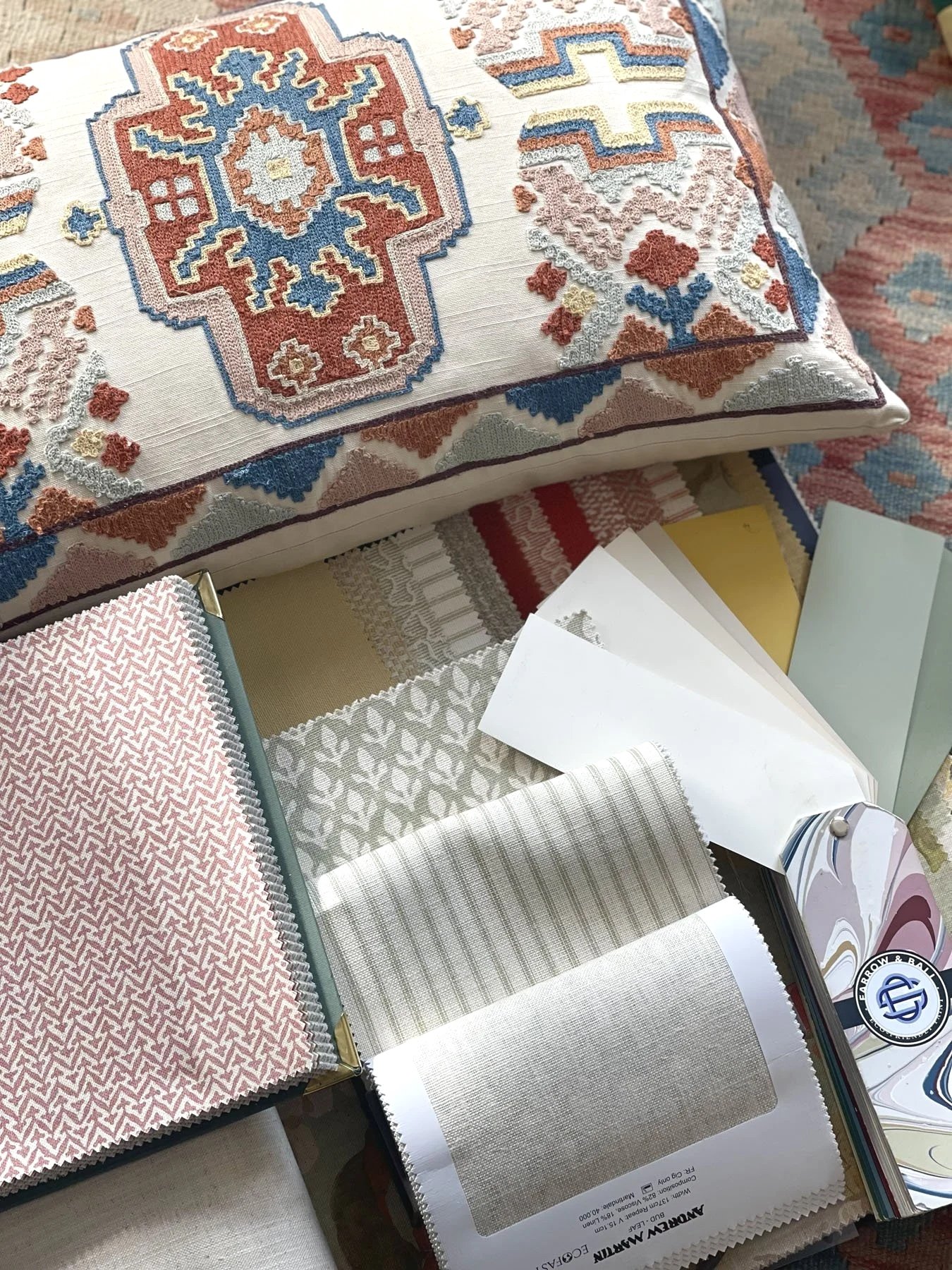
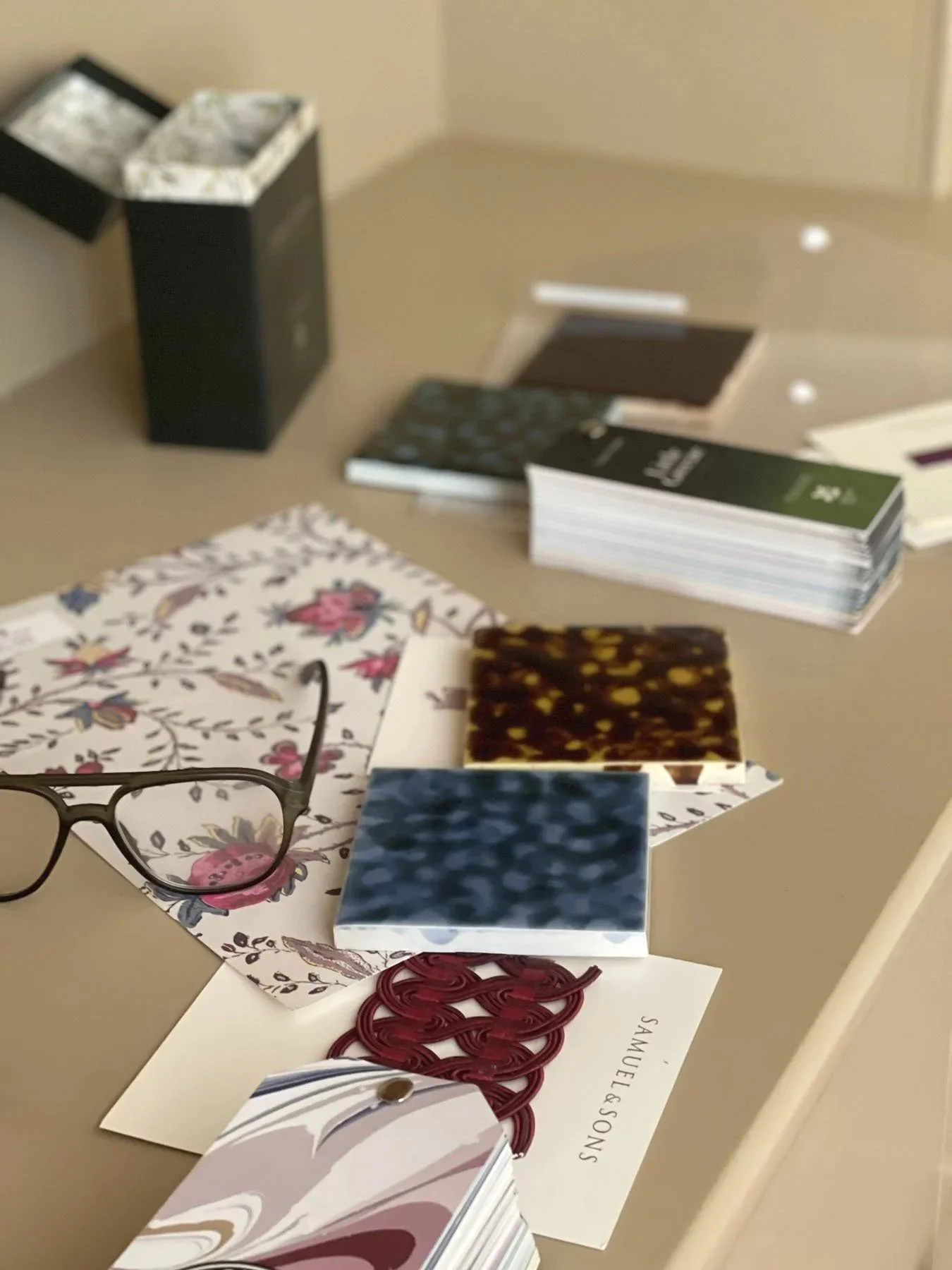
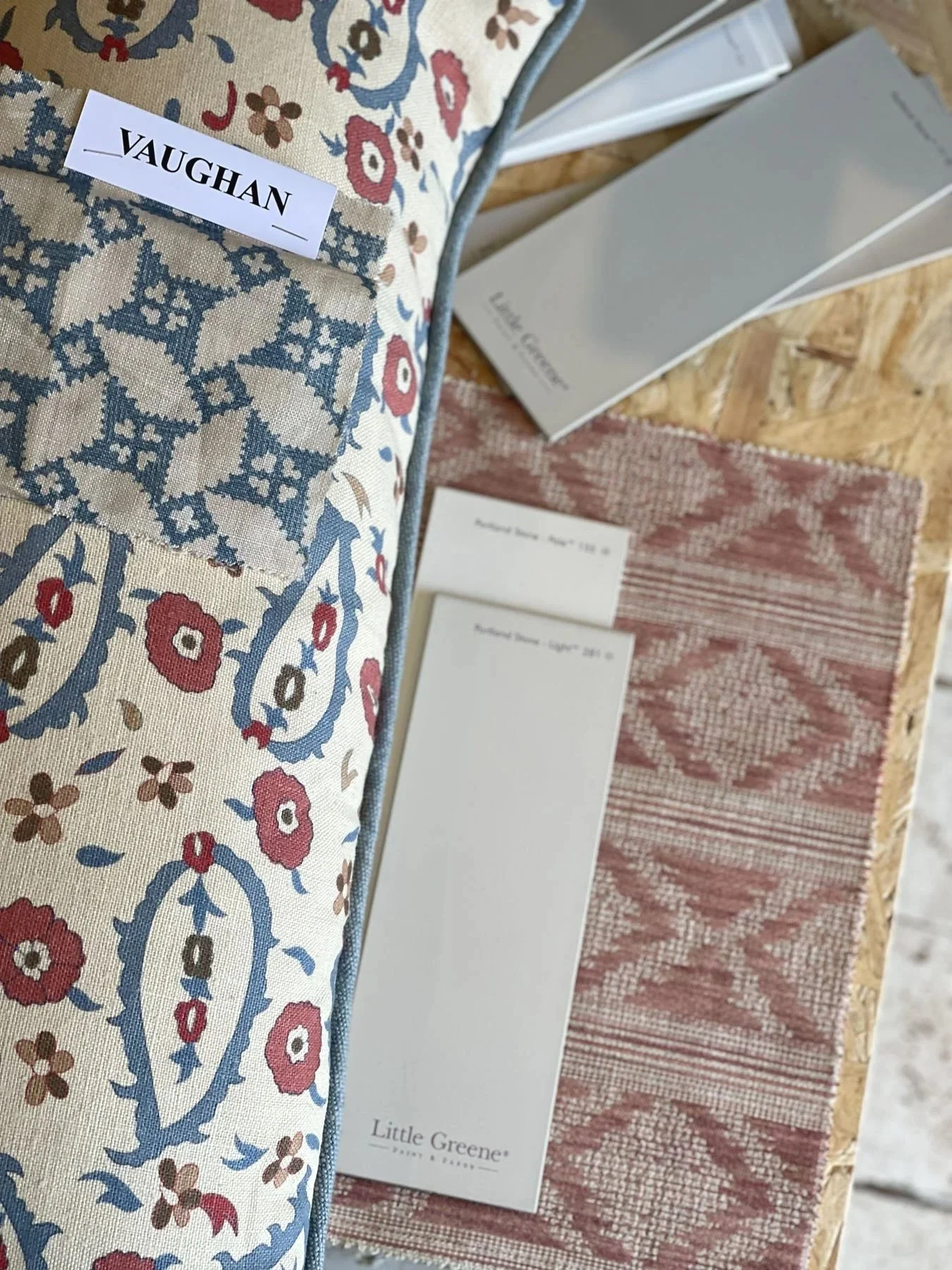
Unlike a full interior design service, which considers everything from layout and joinery to lighting, furniture and procurement, a consultancy can be used in many different ways. For some clients, it is about getting a project going and establishing a clear direction from the outset. For others, it is about reassurance, confirming that they are on the right track before committing to big decisions. It can also be invaluable mid-project, when something does not quite feel right but it is hard to pinpoint why.
Hard finishes are a good example of where consultancy advice can be particularly powerful. Flooring, tiles and surfaces are often the biggest investment pieces in a home, and mistakes here are costly and disruptive to undo. Clients frequently come to a consultation unsure where one finish should start and stop, whether existing flooring should be removed, or how a new space should connect visually to the rest of the house. Understanding where value lies, and where it is worth spending or saving, can make a significant difference to both the outcome and the budget.
A consultancy also draws on practical experience and industry knowledge. Knowing what works well in theory is one thing; understanding what works in real homes, over time, is another. Sometimes advice is about inspiration, and sometimes it is about steering clients away from decisions that are unlikely to age well or suit how they live. This kind of guidance often comes from having seen similar scenarios play out many times before.
Furniture and upholstery decisions are another area where consultations add real value. Important pieces should never be chosen purely online. Comfort, scale and proportion can only really be understood by experiencing them in person. Part of the consultancy process is often about encouraging clients to do their homework: to sit on sofas, test chairs, and understand how pieces feel as well as how they look. This avoids expensive mistakes and ensures that key investments genuinely enhance daily life.
There is also an emotional aspect to consultancy that should not be underestimated. Decorating or improving a home should be an exciting time, not a stressful one. Having someone to talk ideas through with, to bring perspective, flair and reassurance, helps transform confusion into momentum. It bridges the gap between doing everything alone and handing over full creative control, empowering clients to make decisions with confidence and enjoyment.
While a full interior design service is invaluable for complex projects, renovations or complete reimagining of a home, it is not always necessary. A consultation is often the perfect solution for clients who want professional input, refined taste and a clear sense of direction, without embarking on a full-scale design journey.
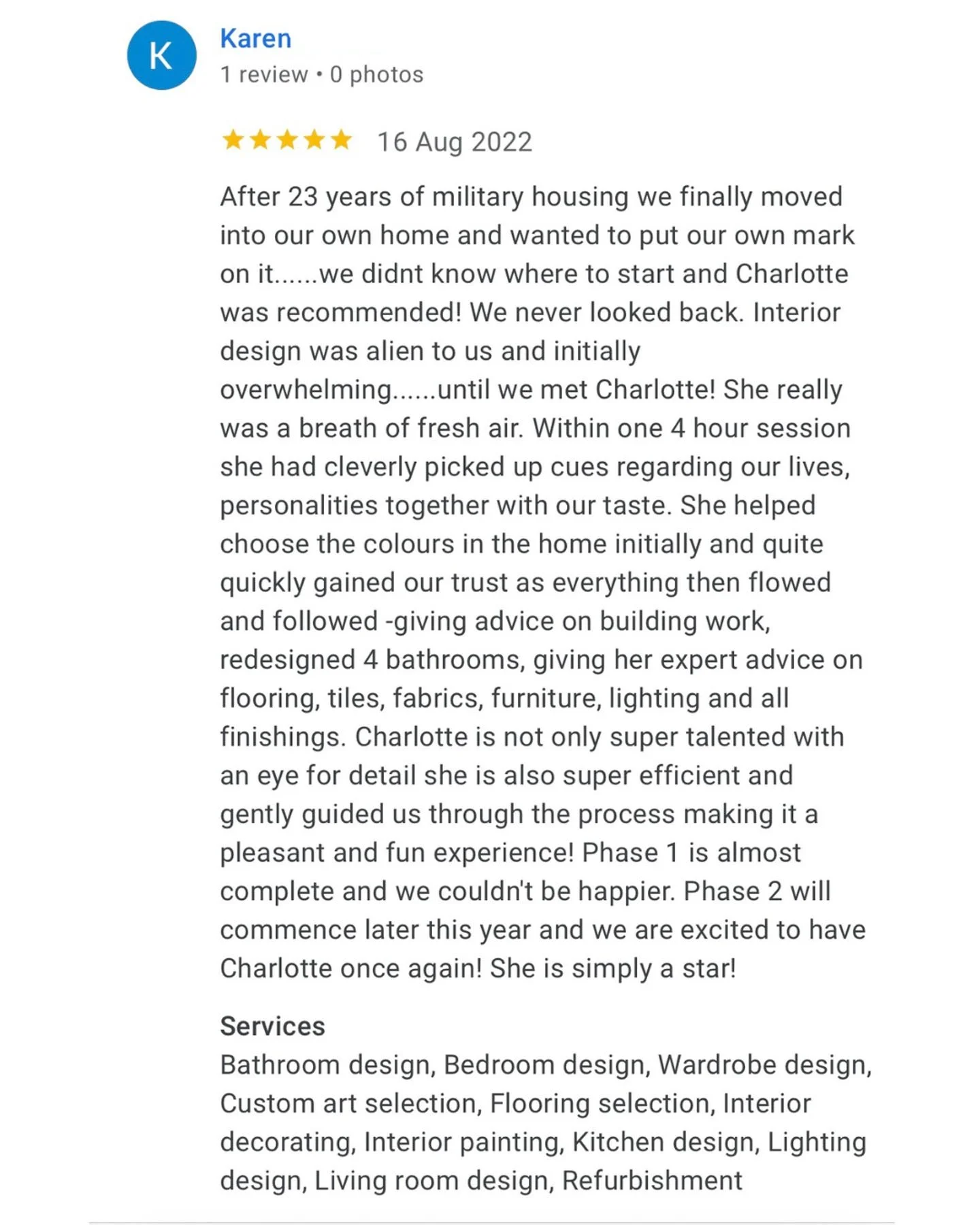
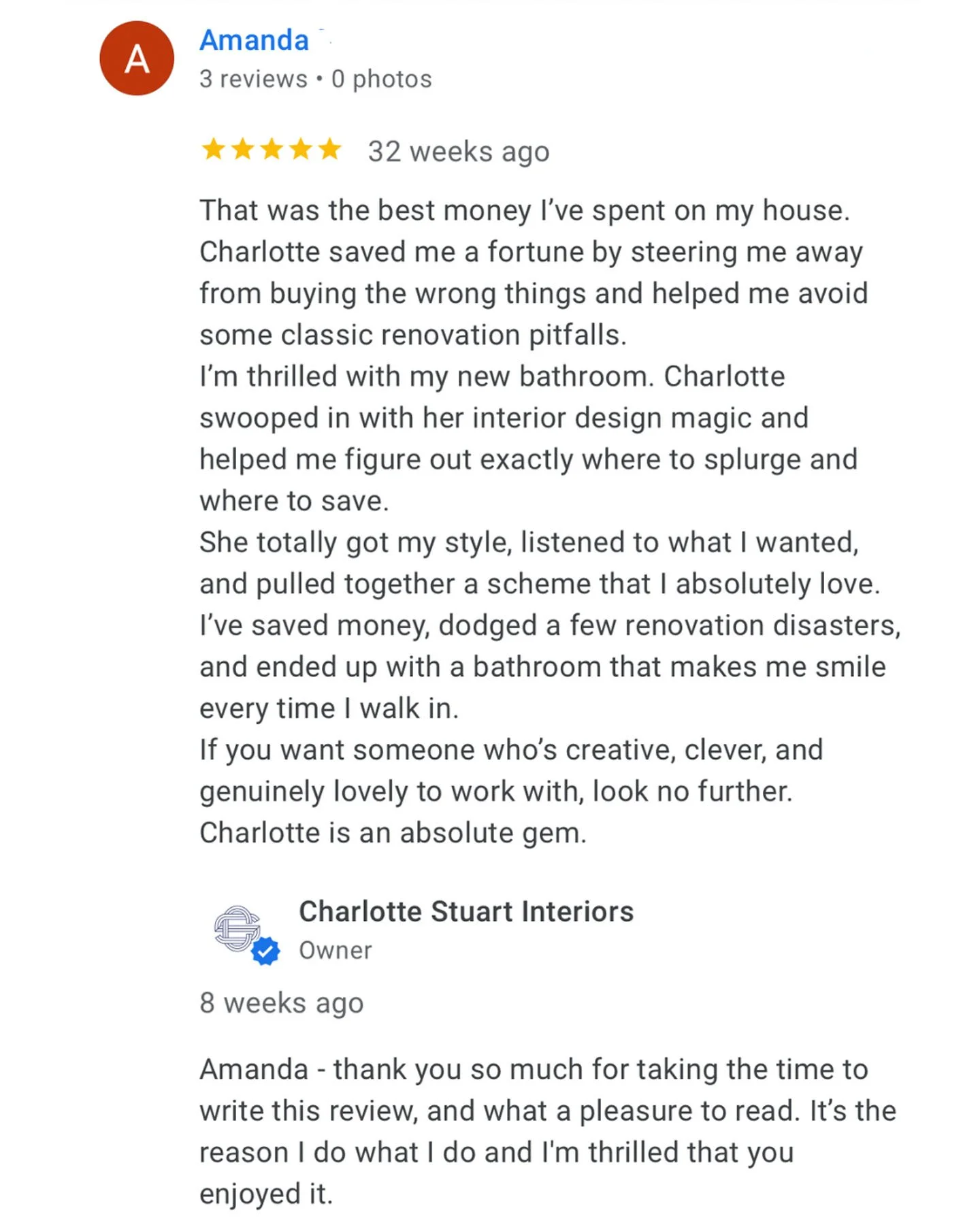
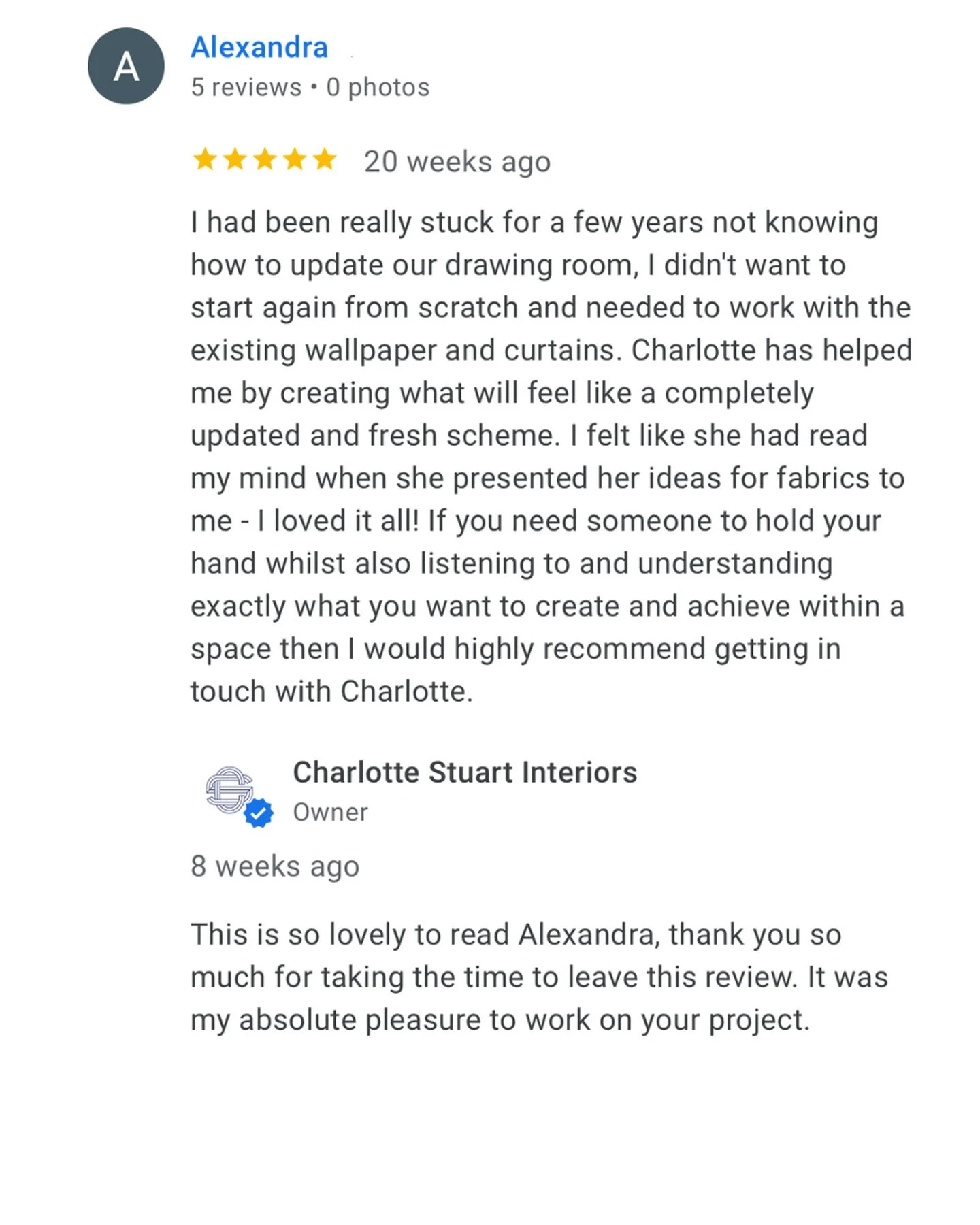
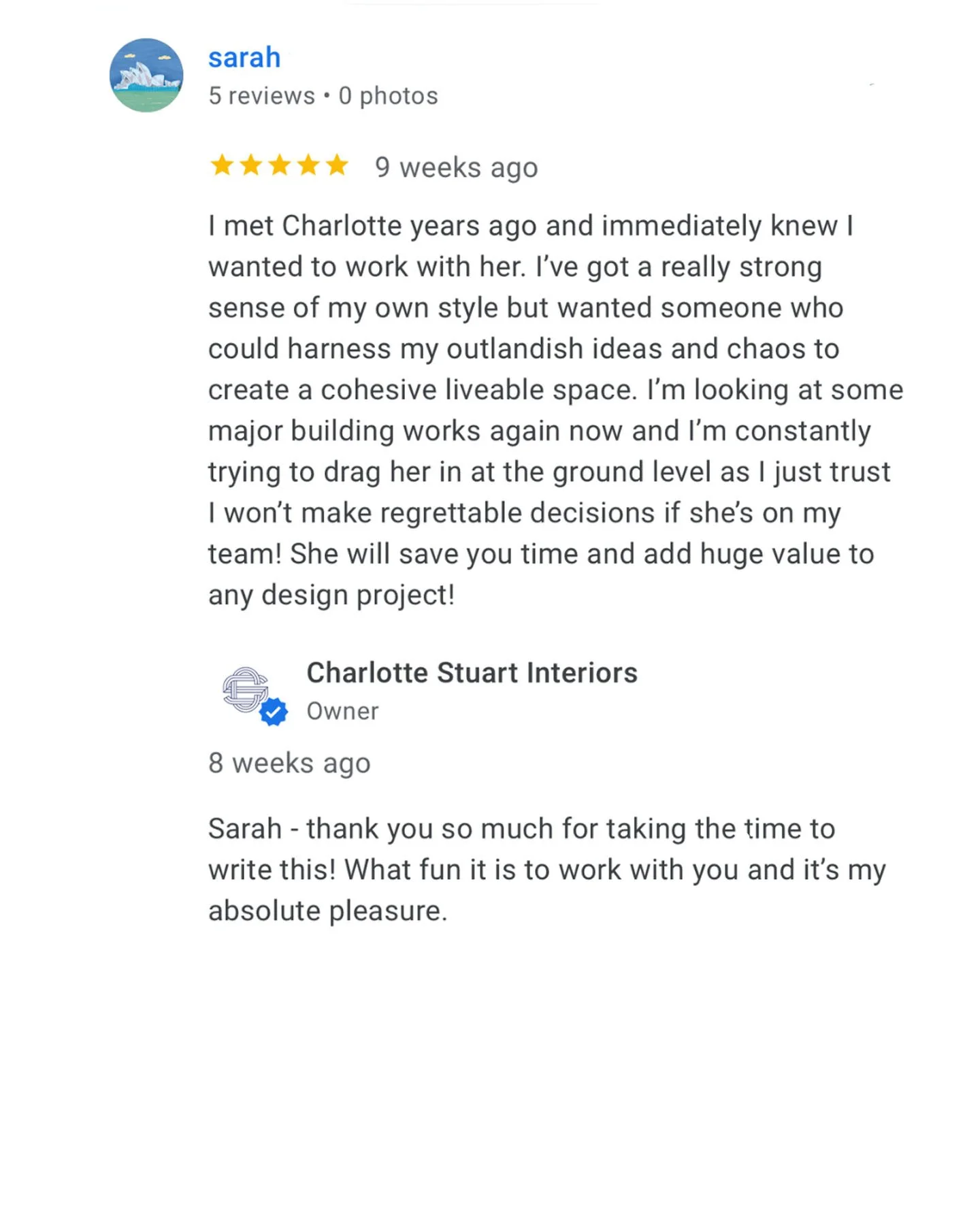
Good design does not have to be all or nothing. Sometimes, the right conversation at the right moment is exactly what your home needs to move forward.