Quiet luxury is a term that has gained momentum in recent years, yet its meaning is often misunderstood. Quiet luxury is something you feel rather than immediately notice. These are interiors that do not announce themselves, but reveal their quality slowly, through proportion, materiality and thoughtful detail. It is the experience of moving through a space and being subtly, pleasantly surprised. Nothing shouts, yet everything feels considered.
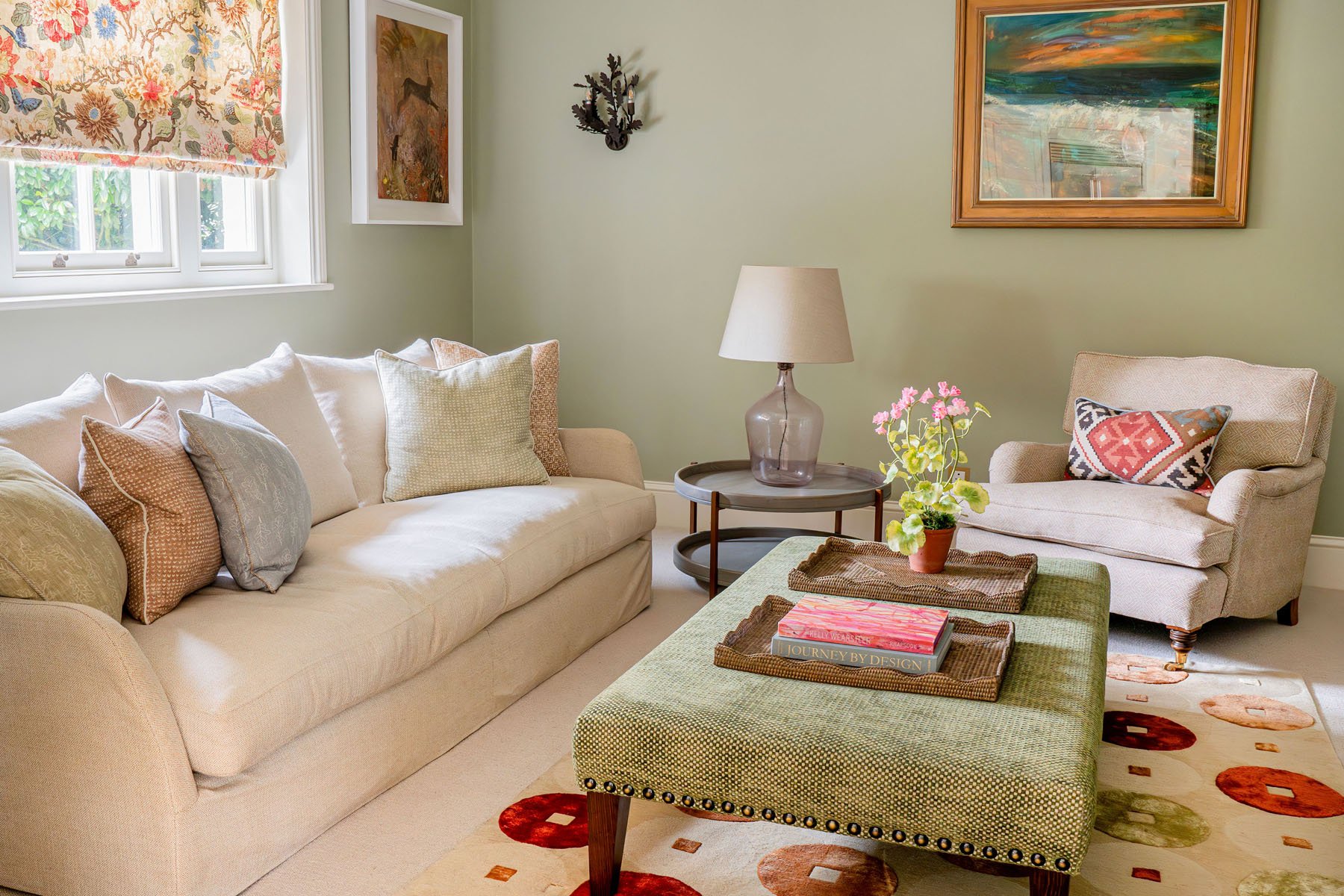
We all want a space that feels balanced and resolved. Nobody wants a home that screams forced or overdesigned. Allowing the architecture to do much of the work, and focusing on how the rooms will be used, helps bring a softness and calm that is much treasured in our home environments.
The Luxury of Thoughtful Detail
What truly defines quiet luxury is attention to detail, particularly in the elements you interact with every day. It is not simply about needing a handle or a switch, but about asking whether it aligns with the room, the joinery and the overall design language. Handles, light switches and ironmongery are chosen because they feel right in the hand and sit comfortably within the scheme, not because they draw attention to themselves.
Equally, quiet luxury is about knowing where to invest. A beautifully finished plug socket matters only if it is visible; if it is hidden behind furniture, that money is better spent elsewhere. Understanding where detail will be seen, touched and appreciated is central to the philosophy.
Craftsmanship Over Replacement
Quiet luxury does not always mean starting from scratch. In several projects, we’ve carefully reworked existing joinery rather than removed it. Heavy oak shelving, for example, can be transformed by adding architraves to introduce a sense of height, or by running shelves through a beading machine to create a more refined, sculpted edge
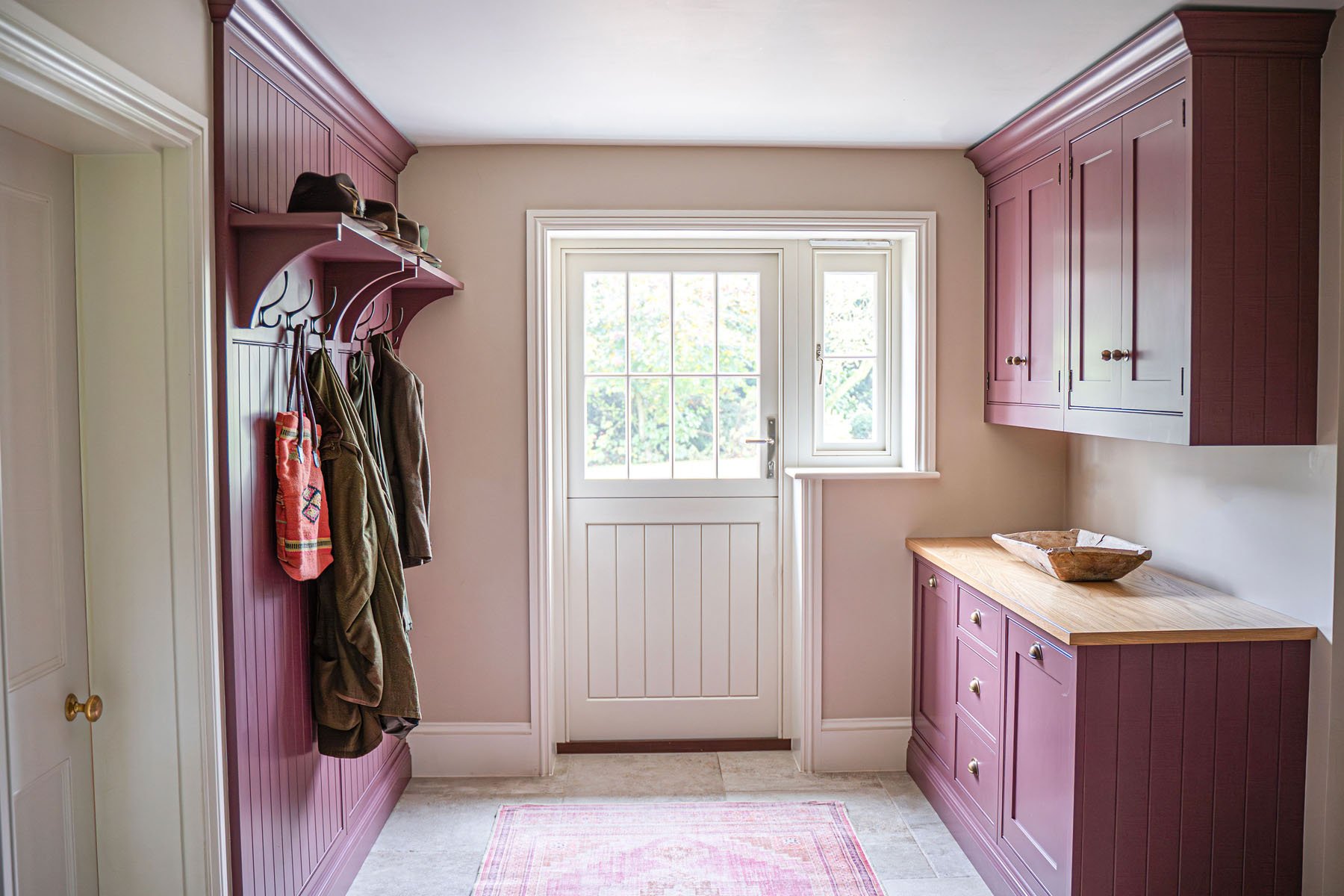
In bathrooms and boot rooms, bespoke joinery can be elevated through thoughtful detailing: tongue-and-groove backing to add depth, decorative beading to soften edges, or scored panels and cut brackets to create the illusion of height and balance.
Architraves added to the top of existing units can lend a quiet sense of formality without feeling grand.
Materials That Age Gracefully
Materials play a central role in quiet luxury, not because they are fashionable, but because they age beautifully. Timber, stone, wool, linen and leather bring authenticity and warmth, developing character over time as they are used. Colour palettes tend to be restrained, but never flat. Tonal schemes of creams, taupes, soft greys and earthy neutrals allow texture to take centre stage. Furniture and furnishings are chosen for form, comfort and craftsmanship. Pieces feel timeless and well made, designed to last both practically and aesthetically. Nothing feels disposable or trend-led; instead, each element earns its place.
Quiet Luxury Is How a Home Works
Perhaps the most overlooked aspect of quiet luxury is how deeply personal it is. True luxury lies in how a home supports the people who live in it, and those who visit.
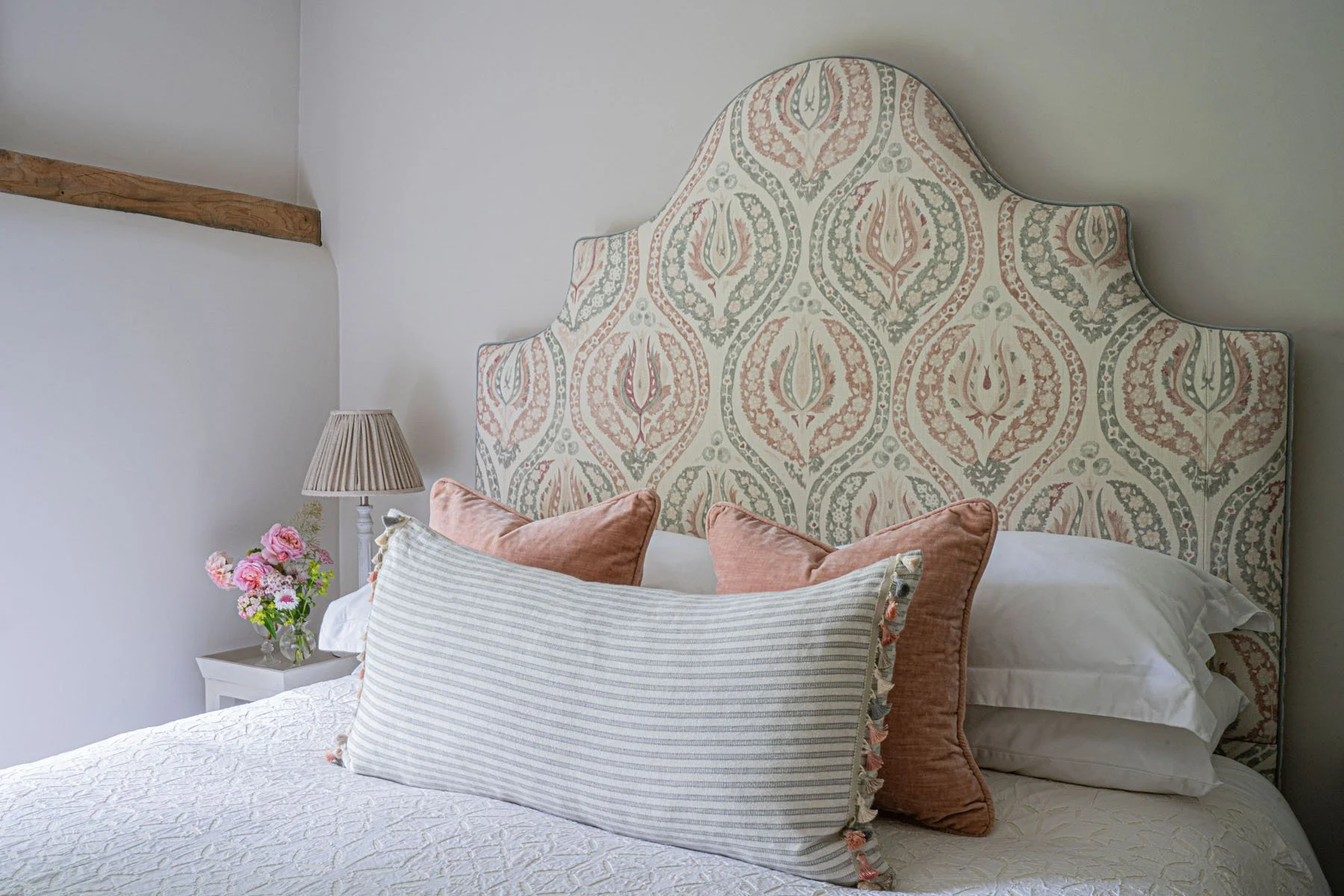
Guest rooms are designed with care: somewhere to hang clothes, a place to rest a suitcase, thoughtful lighting, perhaps the option of a cup of tea or independent heating controls. These are small gestures, but they make guests feel genuinely considered.
The same applies to the homeowner. Quiet luxury might mean warm flooring underfoot in the morning, a beautifully layered bed, or curtains that open at the touch of a button so you don’t need to get up. It might be a silk rug, a sheepskin, or interlined curtains that are just as beautiful from the outside as they are from within, an indulgence that may stretch the budget, but delivers a lasting sense of delight.
Choosing Better, Not More
Quiet luxury is not about owning more, but about choosing better. It is the cumulative effect of small, thoughtful decisions: the way joinery aligns, how fabric falls, how lighting enhances rather than competes. These details may go unnoticed at first glance, but they are what make a space feel deeply considered and enduring.
In a world that feels increasingly loud and overstimulating, quiet luxury offers something rare and valuable: interiors that feel personal and timeless, and homes that stand the test of time.